
Equilabium flaccidum
Equilabium flaccidum
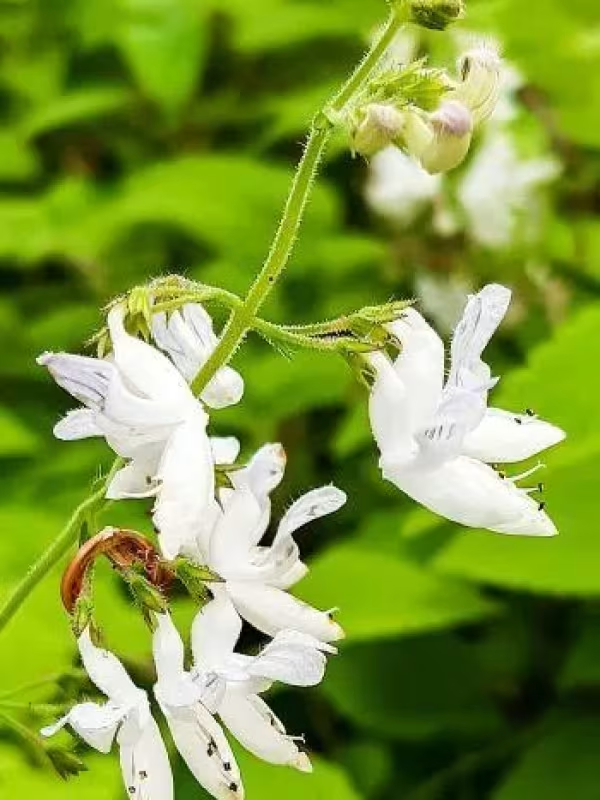
Description
Sowing dates
The sowing season for Equilabium flaccidum typically starts in spring, when soil temperatures consistently reach +10 to +12 degrees Celsius. Proper timing is crucial to avoid late spring frosts that could damage young sprouts.
For large-scale cultivation, the seed density is calibrated to ensure optimal spacing between plants. A row spacing of approximately 50–60 centimeters is generally adopted to facilitate machinery access during maintenance operations.
Seeds are sown at a shallow depth of about one centimeter. A uniform seedbed preparation is vital to ensure high germination rates and to achieve a consistent stand across the entire field.
Alternatively, the transplanting method is used in areas with short growing seasons. Starting seedlings in controlled greenhouse conditions allows for earlier development and a higher survival rate once transplanted to the field.
After seeding, light soil compaction is recommended to enhance capillary water movement toward the seeds, ensuring they receive the moisture necessary for timely germination.
Growing requirements
Equilabium flaccidum is a perennial herbaceous plant belonging to the Lamiaceae family. This species is recognized for its unique chemical profile and holds potential for agricultural cultivation due to the secondary metabolites present in its aerial parts.
The plant thrives in regions with a temperate climate and requires well-drained, fertile soil to ensure vigorous growth. Loamy or sandy loam soils with a neutral pH balance are considered optimal for establishing healthy plantations.
Regarding light requirements, the crop prefers areas with high solar exposure. Adequate sunlight is essential for photosynthesis and the synthesis of aromatic oils, which are critical for the economic value of the raw material.
Water management is a key factor in the agronomy of Equilabium flaccidum. While the plant can tolerate short periods of moderate dryness, it performs best with consistent, controlled irrigation, particularly during the active growing season.
Good soil aeration is necessary for the development of a healthy root system. Regular mechanical weeding between rows is recommended to minimize nutrient competition from invasive weeds and to improve soil structure around the base of the plant.
Harvesting
Harvesting should be timed to coincide with the full bloom stage. At this phenological phase, the plant exhibits the highest concentration of volatile oils and other secondary metabolites, maximizing the quality of the harvested product.
Mechanical harvesting equipment is set to cut the crop at a height of 8–10 centimeters above the ground. This practice promotes the sustainability of the perennial crop, allowing for healthy regrowth in subsequent cycles.
Immediate handling post-harvest is essential for maintaining product integrity. The harvested material must be transported to processing facilities quickly to avoid the onset of fermentation or significant losses of volatile aromatic components.
Drying is performed in facilities with excellent ventilation. The temperature must be strictly controlled, keeping it below +40 degrees Celsius to prevent the thermal degradation of delicate chemical compounds found within the plant tissues.
Final storage requirements include keeping the dried herb in moisture-proof, light-shielded containers. This ensures the shelf life of the botanical material and maintains its organoleptic properties for commercial use.