
Basilicum polystachyon
Basilicum polystachyon
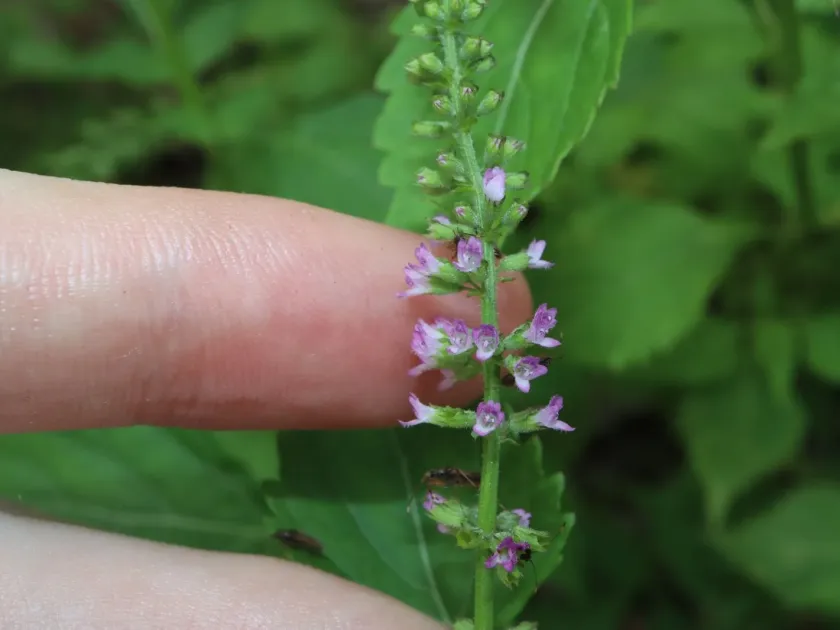
Description
Sowing dates
Basilicum polystachyon is a flowering plant within the Lamiaceae family. To ensure successful cultivation, seeds should be sown in trays during early spring, typically 6–8 weeks before the last frost date, to establish strong seedlings.
The seeds require a warm, well-draining germination medium. It is advisable to cover them lightly with soil, as they need a moderate amount of light for optimal germination success.
Maintaining a consistent soil temperature of approximately 20–25 degrees Celsius is crucial. Using a heat mat can help stabilize conditions and speed up the emergence of the seedlings.
Transplanting into the field should occur only when the soil has thoroughly warmed up. As a tropical or subtropical plant in origin, this species is highly sensitive to cold snaps, which can severely stunt its growth.
For commercial production, a plant spacing of 30–45 cm is recommended to allow for optimal airflow and prevent competition for nutrients, which promotes healthier and more vigorous plant development.
Growing requirements
This crop thrives in full sunlight, requiring at least 6–8 hours of direct exposure daily. Insufficient light results in weak, spindly growth and a lower concentration of essential oils in the foliage.
Soil should be rich in organic matter and possess excellent drainage. Sandy loam or well-structured loamy soils are ideal, as they prevent the roots from becoming waterlogged.
Consistent moisture is necessary, but the soil should be allowed to dry slightly between watering intervals. Avoid overhead irrigation, as it can encourage fungal diseases on the leaf surfaces.
Nutrient management involves applying compost or a balanced fertilizer at the start of the season. Excessive nitrogen later in the plant cycle should be avoided to preserve the flavor profile of the leaves.
Providing a sheltered area, such as a site protected from strong winds, helps maintain the integrity of the delicate branches and leaves, ensuring the highest quality harvest for commercial use.
Main diseases and pests
The most significant threats to Basilicum polystachyon are fungal pathogens, specifically those causing root rot, damping-off, and leaf spots. These are exacerbated by high humidity and poor air circulation.
Powdery mildew is a common concern during humid, stagnant periods. Proper spacing and proactive monitoring are the best strategies for managing this fungal infection effectively.
Insect pests, including aphids and whiteflies, frequently target the succulent growth of the plant. These pests can transmit viral diseases in addition to causing direct physical damage to the plant tissue.
Integrated Pest Management (IPM) practices, such as introducing beneficial insects like ladybugs or lacewings, are highly recommended to keep pest populations below economic injury levels.
Regular field scouting is essential to identify infestations early. Removing infected plants or using safe botanical soaps can prevent the spread of pests across the entire cultivation area.
Harvesting
Harvesting usually commences just before the plant reaches full bloom. At this stage, the concentration of aromatic compounds is at its maximum, providing the best flavor for culinary applications.
The upper parts of the stems are harvested by cutting them cleanly, which encourages the development of new side shoots. This harvesting method supports a continuous supply of fresh material throughout the season.
For processing purposes, plants may be harvested by cutting the entire stalk close to the base. This is typical for operations focused on essential oil extraction or mass drying of the herb.
Post-harvest handling must be done quickly to maintain quality. Proper drying in a cool, dark, and ventilated room prevents the loss of volatile oils that give the plant its characteristic fragrance.
Whether for fresh market sale or industrial use, meticulous harvesting and handling techniques ensure a high-value product that retains its botanical properties and sensory appeal.