
Tipuana
Tipuana tipu
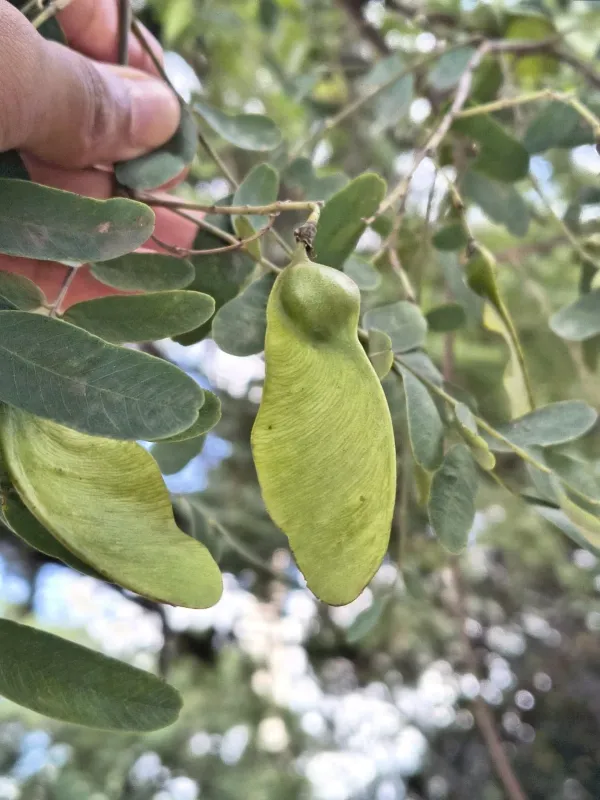
Description
Sowing dates
Propagation of Tipuana tipu is typically achieved through seeds, which should be planted in the spring. Before sowing, soaking the seeds in warm water for 12 to 24 hours is recommended to improve germination rates significantly.
The seeds should be sown in a well-draining, loose soil medium at a depth of approximately 2 to 3 centimeters. Consistent moisture is vital during the initial germination phase to ensure a uniform emergence of seedlings.
Nursery cultivation in containers is standard practice, as it protects the sensitive taproot of young trees during the early stages of development and simplifies the transplanting process.
Optimal growth is triggered when ambient temperatures remain consistently above 20 degrees Celsius. In cooler regions, starting the seeds in greenhouses or climate-controlled environments is essential.
When transplanting into the final site, it is crucial to allow enough room for canopy development, typically maintaining a distance of at least 5 to 8 meters between individual specimens.
Growing requirements
Tipuana tipu belongs to the Fabaceae family and thrives in areas with full sun exposure. It is a robust, fast-growing tree that requires ample light to develop its characteristic wide, spreading crown.
While the tree is quite adaptable to different soil types, it performs best in deep, fertile, and well-drained loams. It possesses a high tolerance for short-term drought once the root system is well-established.
Climate considerations are paramount; while mature trees can handle mild frosts, young saplings are highly vulnerable to freezing temperatures and require adequate winter protection.
The species forms a deep taproot, which provides excellent stability against strong winds, making it a suitable choice for windbreaks and large-scale landscape stabilization.
As a legume, it naturally fixes atmospheric nitrogen in the soil. This biological ability improves soil fertility over time, benefiting the surrounding ecosystem and reducing the need for chemical fertilizers.
Yield
As an agricultural and silvicultural resource, Tipuana is primarily valued for its durable and aesthetically pleasing timber, which is widely used in high-quality furniture making and joinery.
The tree provides significant ecosystem services, acting as an effective carbon sink and providing extensive shade, which helps mitigate the heat island effect in urban and rural environments.
In agroforestry systems, Tipuana serves as an excellent companion plant due to its nitrogen-fixing capabilities, which enrich the soil for other agricultural crops grown in its vicinity.
The nectar produced during the flowering season makes it a valuable source for honey production, supporting local beekeeping industries in regions where it is planted in significant numbers.
Seed production is another aspect of its economic utility, as high-quality seeds are harvested to support the ongoing demand for reforestation and municipal landscaping projects.
Main diseases and pests
The most common pests affecting Tipuana are defoliating beetles and certain aphid species, which can cause significant damage to the foliage and potentially stunt growth if left untreated.
Root rot is a major threat, particularly in soils with poor drainage or where irrigation is excessive, leading to waterlogged conditions that favor fungal pathogens.
Regular sanitation, including the prompt removal of dead or diseased branches, is critical to preventing the spread of infections and maintaining the structural integrity of the tree.
Monitoring for signs of infestation during the active growing season allows for timely intervention using appropriate systemic pesticides or biological controls.
- Ensure proper soil drainage to avoid fungal issues.
- Monitor foliage regularly for early signs of pests.
- Implement balanced pruning to allow airflow throughout the crown.