
Tomentose glycine
Glycine tomentosa
Description
Growing requirements
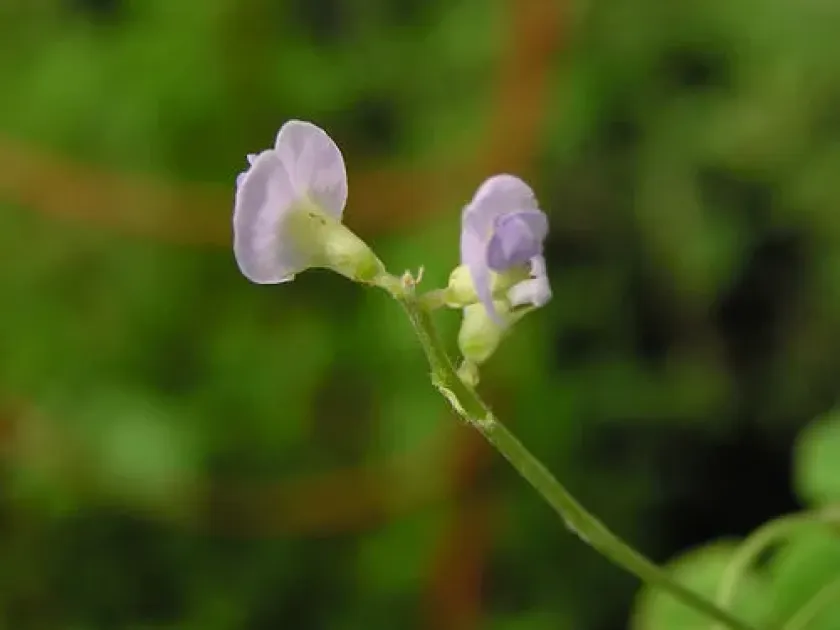
Tomentose glycine (Glycine tomentosa) is a perennial herbaceous plant belonging to the Fabaceae family. It is a wild relative of the commercial soybean, native primarily to various regions of Australia.
The plant is highly adaptable to a wide range of climatic conditions, showing particular resilience in arid and semi-arid environments. It thrives in well-drained soils and can withstand periods of limited water availability.
Morphologically, the plant is characterized by its distinctive dense, velvety pubescence covering the stems and foliage, which serves as a physiological adaptation to conserve moisture.
Agronomically, this species is highly valued by researchers as a source of drought-tolerant genes, which are increasingly important for the development of resilient crop varieties.
The cultivation requirements focus on providing adequate sunlight and maintaining balanced soil nutrition to support the plant's nitrogen-fixing abilities, which are typical for most legumes.
Main diseases and pests
The primary threats to the health of Glycine tomentosa include common legume-specific pathogens, such as fungal rusts and various types of leaf spot diseases that thrive in humid conditions.
Pest pressure is often linked to localized insect populations, including weevils and aphids, which can compromise the structural integrity of the plant and its reproductive output.
Root system disorders, often caused by soil-borne pathogens or waterlogging, can significantly impede the plant's growth and its potential to contribute to soil nitrogen enrichment.
Integrated pest management (IPM) strategies, including biological controls and selective fungicide applications, are recommended to protect the crop from severe outbreaks.
Monitoring for signs of nutrient deficiency is also essential, as weakened plants are inherently more susceptible to secondary viral or bacterial infections.