
Stauracanthus boivinii
Stauracanthus boivinii
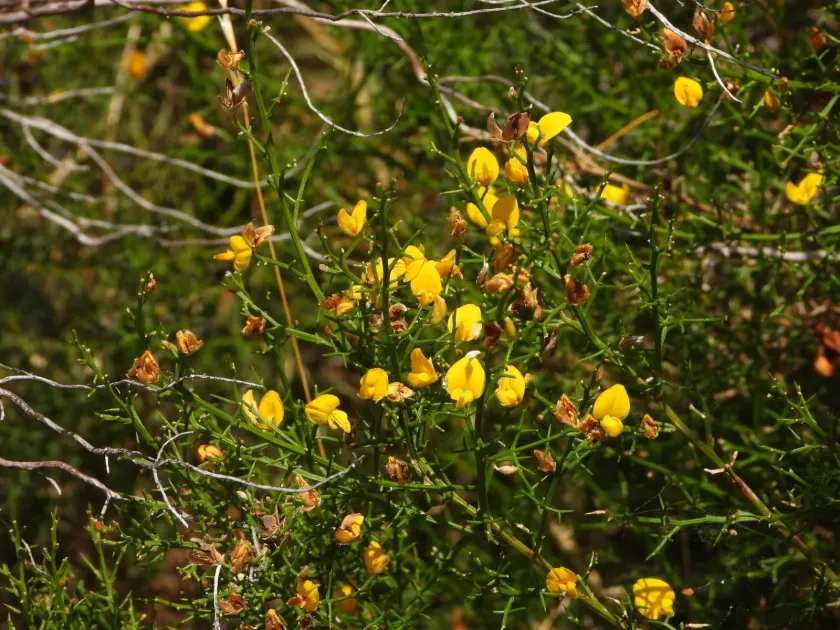
Description
Sowing dates
Stauracanthus boivinii is a member of the Fabaceae family, adapted to survive in harsh conditions. Successful establishment of this crop begins with seed scarification to overcome the dormancy caused by a hard seed coat.
The optimal sowing time is early spring, ensuring that the soil temperature is high enough for germination to occur rapidly. Consistent soil moisture during the first weeks after planting is crucial for establishing a deep and robust root system.
When sowing, farmers should allow for adequate spacing between rows to accommodate the shrubby growth habit of the plant. A depth of 2 to 4 centimeters is generally considered ideal for securing seed-to-soil contact without hindering emergence.
Field preparation must focus on eliminating perennial weeds, as the slow initial growth of the plant makes it susceptible to competition. Soil should be well-drained and friable to encourage proper oxygen penetration for the developing roots.
Starter fertilization focusing on phosphorus can be beneficial for early plant vigor. Careful monitoring of the seeding density is essential to balance competition between individual plants and ensure an optimal harvestable population per hectare.
Growing requirements
This crop thrives in sunny, well-lit environments, which are essential for its physiological processes and growth. It is highly adapted to poor, rocky, and skeletal soils, where it can utilize deep soil layers that other crops cannot reach.
Water management is critical; while the plant is drought-tolerant once established, it cannot withstand waterlogging. Soils with high clay content or poor drainage are unsuitable for cultivation and will lead to significant physiological stress.
The ideal climatic conditions for Stauracanthus boivinii include mild temperatures with low risk of extreme late-spring frost. The plant exhibits a high degree of resilience to high temperatures, making it a viable option for semi-arid regions.
Maintenance of the soil pH is vital for the health of nitrogen-fixing nodules. If the soil is too acidic, liming should be performed well in advance of sowing to ensure that the bacteria responsible for nitrogen fixation function correctly.
Regular cultivation of inter-row spaces helps manage weeds and improves soil aeration, which indirectly supports the plant's health. Low nitrogen fertilization requirements make this crop a cost-effective choice for low-input agricultural systems.
Main diseases and pests
Common phytosanitary issues include powdery mildew, which can become prevalent in areas with high humidity. Proper airflow through the canopy, achieved by optimal planting densities, is the best preventative measure against this fungal pathogen.
Insect pests, such as mites and aphids, may occasionally attack tender new shoots during warm weather. Integrated pest management strategies, including monitoring and biological control, should be prioritized over broad-spectrum chemical treatments.
Root rot pathogens pose a severe risk if the soil remains excessively wet. Ensuring that the site is perfectly drained is the primary defense against soil-borne diseases that can lead to total crop failure in susceptible fields.
Damage to the foliage from lepidopteran larvae can reduce photosynthetic capacity and overall crop yield. Farmers should inspect plantations regularly and apply approved interventions if infestation levels cross established economic thresholds.
Implementing a diverse crop rotation cycle is essential to prevent the buildup of soil-borne pests and diseases in the field. By rotating with non-legume crops, the pressure from specialized pathogens is significantly minimized over time.