
Stauracanthus spectabilis
Stauracanthus spectabilis
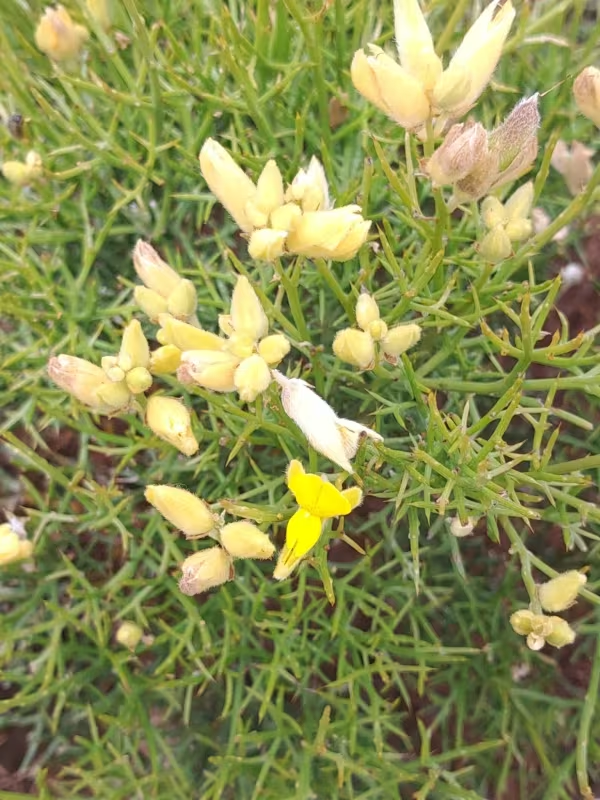
Description
Growing requirements
Stauracanthus spectabilis is a perennial shrub belonging to the Fabaceae family. Native to the Iberian Peninsula, this plant has evolved to thrive in harsh, nutrient-poor environments where standard agricultural crops would typically fail to establish.
The species prefers well-drained, acidic soils. It is highly valued for its ability to grow in rocky or sandy substrates, often serving as a pioneer species in areas undergoing ecological restoration or soil stabilization projects.
Regarding climate, it requires plenty of sunlight and Mediterranean-type conditions. It is remarkably drought-tolerant, utilizing its physiological adaptations to manage water loss effectively during the long, hot summer months.
Botanically, the plant features spiny branches that protect it from overgrazing and leaf reduction as a mechanism to conserve water. These features make it a resilient component of its native scrubland habitats.
In agricultural practice, its primary value lies in nitrogen fixation. By establishing symbiotic relationships with soil bacteria, it naturally improves soil fertility, making it a sustainable choice for semi-natural pasture management.
Main diseases and pests
Fungal infections remain the primary threat to the health of these shrubs, especially when density becomes too high. Poor air circulation in dense stands creates a moist microclimate conducive to the development of rust fungi.
Insect pests that target tender shoots and reproductive organs can impact the plant's vigour. Monitoring for such infestations during the spring growth flush is essential for maintaining crop health.
Root rot is a potential risk if the soil remains waterlogged for extended periods. Ensuring good drainage at the planting site is the most effective cultural method to prevent this condition from spreading.
Integrated pest management strategies are recommended for managing the population of harmful insects while preserving the local biodiversity that often surrounds these stands.
Overall, while the plant is robust, excessive stress from pests or environmental factors can lead to increased vulnerability, necessitating regular field scouting to detect early signs of distress.