
Stauracanthus genistoides
Stauracanthus genistoides
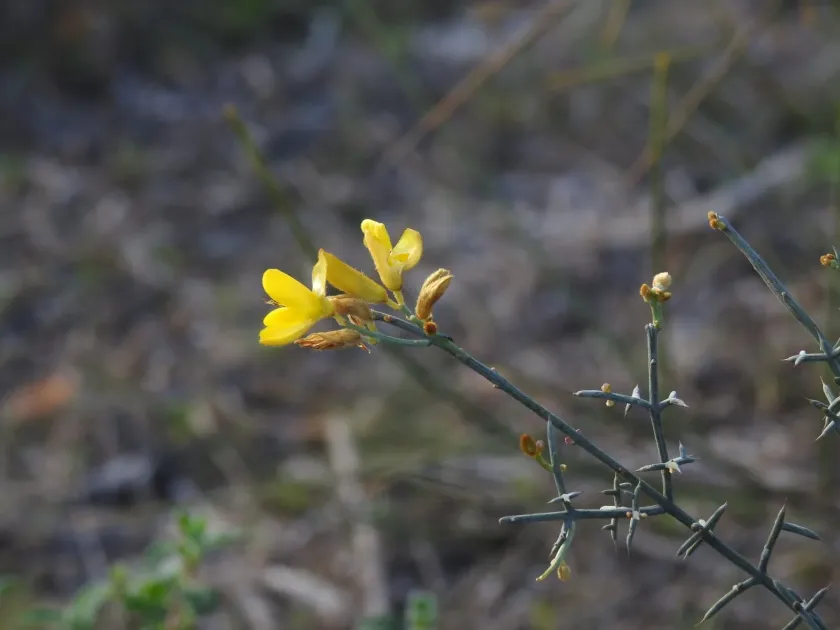
Description
Growing requirements
Stauracanthus genistoides is a perennial shrub species belonging to the Fabaceae family, native to regions with Mediterranean-type climates where it thrives in harsh conditions.
The plant is highly valued for its ability to colonize nutrient-poor soils, demonstrating remarkable resilience in sandy and highly acidic environments.
Its climatic requirements are centered around high sun exposure and sufficient drainage, as the species is particularly sensitive to waterlogging around its root system.
From an agronomical perspective, it is considered an important nitrogen-fixing plant that aids in the natural enrichment of degraded landscapes over long periods.
The morphological structure of the plant, characterized by its shrubby habit and drought-resistant foliage, allows it to survive in areas where traditional crops fail.
Main diseases and pests
The main threats to the health of Stauracanthus genistoides include various root pathogens that proliferate in heavy soils lacking proper vertical water infiltration.
Insect pests often target the reproductive structures of the plant, which can significantly reduce the viability of seed stocks and impede the natural spreading of the species.
Fungal leaf infections represent a secondary threat, usually triggered by stagnant air and persistent high humidity during the late spring growth stage.
Competitive pressure from invasive woody species can inhibit the development of Stauracanthus genistoides, making site management essential for sustained growth.
Adequate crop monitoring and preventive chemical or biological treatments are recommended to maintain plant density and prevent significant loss in seed production areas.