
Prosopis algarobilla
Prosopis algarobilla
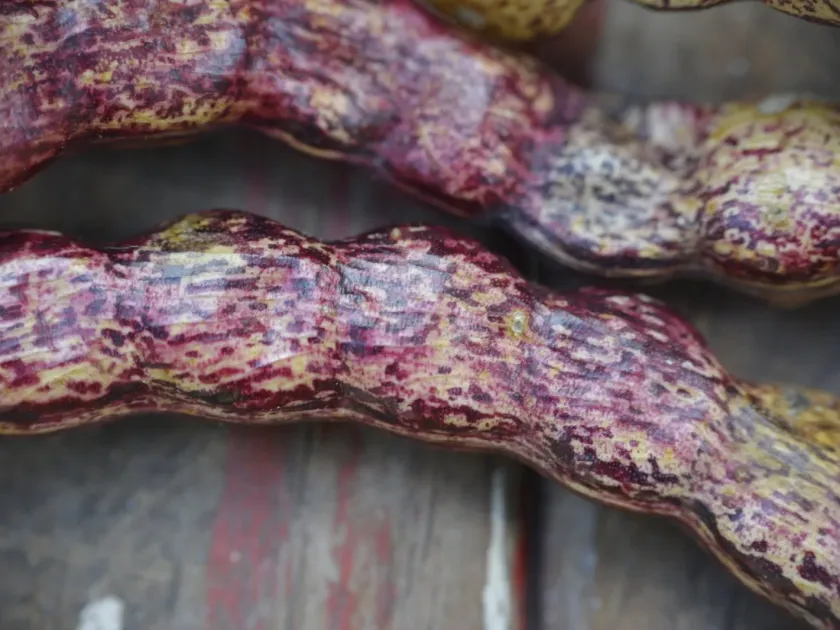
Description
Growing requirements
Prosopis algarobilla is a perennial tree species belonging to the legume family (Fabaceae), native to the arid regions of South America. It is a resilient, hardy plant that has evolved to thrive in environments with significant water scarcity and high solar irradiance.
The cultivation of this species requires well-drained, sandy or loamy soils. It is particularly valued for its deep-reaching taproot system, which allows it to access groundwater, ensuring its survival in areas where other agricultural crops would fail due to prolonged drought conditions.
In terms of climate, Prosopis algarobilla prefers warm, dry zones with high temperatures during the growing season. The plant is highly photophilic and requires full sun exposure for optimal vegetative development and for the production of healthy fruit pods.
The botanical characteristics include thorny branches, pinnate leaves, and characteristic seed pods. These pods are the primary economic focus of the tree, as they contain high concentrations of tannins, which are essential for traditional and industrial leather tanning processes.
Beyond its industrial utility, the plant contributes to soil health through nitrogen fixation, a common trait among legumes. This capability makes it a valuable component in ecological restoration projects and agroforestry systems aimed at desertification control.
Main diseases and pests
The primary pests affecting Prosopis algarobilla are seed-boring beetles (Bruchidae family). These insects can cause significant economic losses by damaging the seeds within the ripening pods, reducing both their commercial value and their ability to germinate.
Root rot pathogens represent a major threat when the soil drainage is inadequate. Waterlogging, even if temporary, can compromise the root system, making the tree susceptible to secondary infections and systemic decay.
Bark-boring insects and wood-decay fungi are also concerns that can weaken the physical structure of the tree. Regular monitoring of the trunk and branches is essential to identify early signs of infestation and to maintain the overall structural integrity of the crop.
In some regions, small herbivores and browsing animals can pose a threat to young seedlings and saplings. Implementing physical barriers or protective mesh is a common agronomic practice to ensure the survival of young trees during their establishment phase.
Effective management strategies should focus on integrated pest management (IPM) practices, emphasizing biological controls and habitat maintenance to balance the ecosystem and reduce the reliance on chemical interventions that could harm local biodiversity.