
Pseudarthria viscida
Pseudarthria viscida
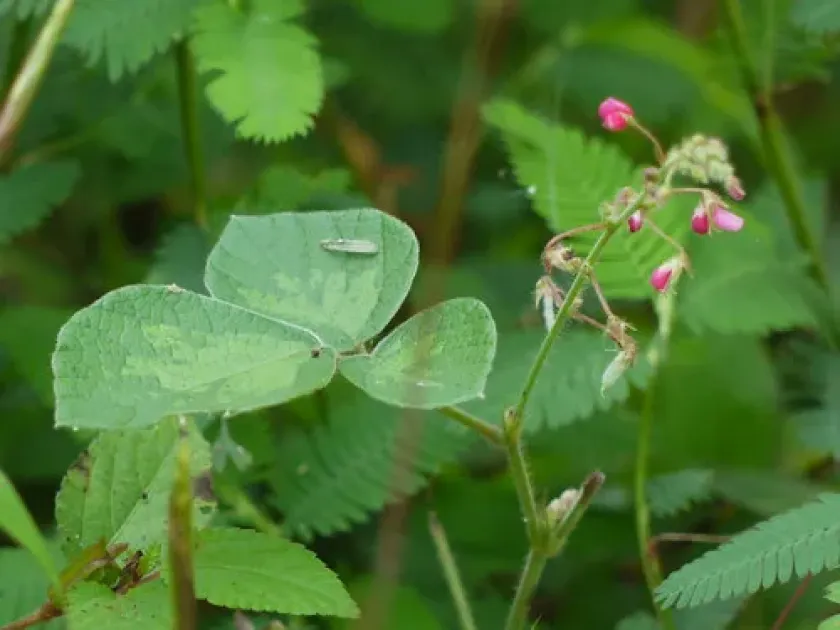
Description
Sowing dates
Pseudarthria viscida is a perennial plant, which means it is not replanted annually. Sowing is typically scheduled at the beginning of the rainy season to ensure sufficient moisture for seed germination and seedling establishment.
The seeds possess a hard coat, necessitating pre-sowing treatments like scarification to break dormancy. Sowing should be carried out in rows, maintaining a spacing that allows for proper aeration and light penetration.
Seed depth should be kept shallow, typically around 1–2 cm, as deep sowing can deplete the seed energy before the seedling emerges. Precision in sowing contributes to uniform stand establishment.
Early growth stages are characterized by slow development, making weeding essential to prevent competition from invasive grasses. Maintaining a clean field during the first few months is critical for success.
Optimal plant density is crucial for developing strong roots, which are the main focus for medicinal production. Overcrowding can lead to resource competition and poor overall vigor of the crop.
Growing requirements
As a member of the Fabaceae family, this crop performs best in well-drained, fertile loam soils. It is highly sensitive to waterlogging, which can cause significant damage to its root system.
The plant thrives in tropical and subtropical climates, requiring warm temperatures throughout its growth cycle. Frost sensitivity limits its cultivation to regions without freezing conditions.
Adequate sunlight is necessary for optimal biosynthesis of medicinal compounds. While it may tolerate partial shade, exposure to direct sunlight enhances the quality of the harvested biomass.
This species is relatively drought-tolerant once established, thanks to its deep taproot. However, for maximum yields, regular rainfall or irrigation is required during critical growth stages.
Organic fertilization is recommended to maintain soil fertility. Excessive nitrogen application should be avoided, as it may shift plant development away from root accumulation towards excessive vegetative growth.
Yield
Yield is assessed based on the dry matter of both the roots and the aerial parts. A well-managed plantation can provide consistent yields over several years if harvested according to regenerative practices.
The highest concentration of medicinal compounds in the roots is typically observed in plants that are two to three years old. Harvesting at this stage provides the best economic return.
Manual harvesting is often preferred to ensure the integrity of the root system. Proper cleaning techniques immediately after extraction are essential to remove soil debris without damaging the raw material.
Drying must be conducted in clean, shaded areas with good air circulation. This prevents fungal growth and ensures the preservation of bioactive compounds, which are heat-sensitive.
Good agricultural practices, including timely harvest and proper post-harvest handling, ensure that the final product meets the market standards for quality and purity.
Main diseases and pests
The primary threats to the crop include fungal diseases such as root rot, which are often exacerbated by poor drainage and excessive moisture. Preventing water stagnation is the most effective management strategy.
Pests such as nematodes and foliage-feeding insects can cause localized damage. Integrated pest management, including monitoring and biological control, is recommended over the use of harsh chemicals.
Weeds represent a significant threat to crop health during the establishment phase. Effective weed control prevents the spread of pathogens that may be harbored by common field weeds.
Crop rotation is vital to prevent the buildup of soil-borne pathogens. Avoiding fields where other legumes have been recently grown helps reduce the pressure from species-specific diseases.
Maintaining ecological balance in the field promotes beneficial insects that keep pest populations in check, ensuring a safer and more sustainable crop yield for medicinal purposes.
Harvesting
Aerial parts are harvested during the flowering stage when the concentration of medicinal compounds is at its peak. Cutting at a height of 10–15 cm allows for potential regrowth.
Roots are harvested during the dormant period when the plant shifts its resources into storage organs. This phase ensures that the roots are richest in chemical constituents.
Post-harvest processing involves thorough cleaning, sorting, and grading of the raw material. Removing all extraneous matter is a key step to maintaining high quality and standards.
Drying is a critical phase; the temperature must remain controlled to avoid thermal degradation of the active components. Natural air drying is often sufficient if humidity is low.
Final storage must be in cool, dry, and dark conditions to prevent oxidation or degradation. Proper packaging helps maintain the shelf life and potency of the plant material over time.