
Prioria copaifera
Prioria copaifera Griseb.
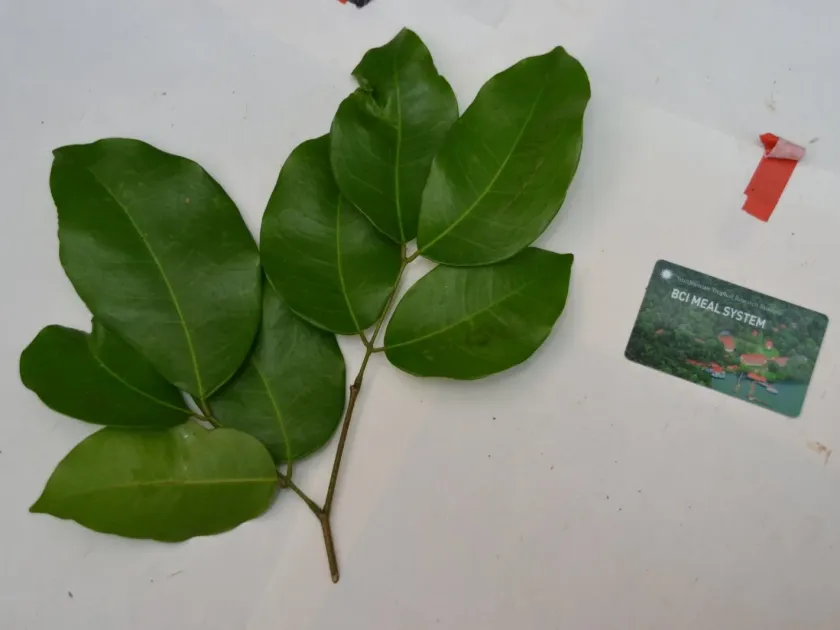
Description
Growing requirements
Prioria copaifera is a notable timber tree species belonging to the Fabaceae family. It is primarily known for its dominance in tropical lowland rainforests throughout Central and South America, where it can form vast, nearly pure stands.
The species thrives in warm, humid tropical climates characterized by year-round rainfall. It requires high average temperatures to sustain its rapid growth rate, making it unsuitable for cooler regions or high-altitude environments.
Soil requirements for this tree include deep, fertile alluvial soils that provide both moisture and adequate drainage. While the species is adapted to periodically flooded areas, it does not tolerate permanent waterlogging of the roots.
Silvicultural management focuses on establishing stands that encourage natural pruning, resulting in high-quality, knot-free timber logs. Young seedlings require shelter from direct, intense sunlight to ensure healthy early development.
The tree is primarily utilized for its wood, commercially known as "cativo". This timber is highly valued in the veneer industry, for plywood production, and as an aesthetic material in high-end furniture manufacturing and architectural interior design.
Main diseases and pests
Fungal pathogens are a primary concern in dense Prioria copaifera stands, especially in environments with poor air circulation. These infections can lead to leaf spots, branch dieback, and reduced growth vigor.
Insect pests, particularly wood-boring beetles, pose a significant threat to the commercial quality of the wood. Infestations often target stressed trees, causing galleries that render the timber unusable for high-value applications.
Root rot caused by various soil-borne pathogens can become an issue if the plantation site suffers from poor drainage. Proper site selection and land preparation are crucial to mitigating these risks during the early years of planting.
Management practices such as thinning and pruning are essential to maintain stand hygiene. These steps help reduce the buildup of inoculum and improve the overall resilience of the forest against disease outbreaks.
Monitoring programs are required to identify pest levels early. Using integrated pest management techniques, including biological control agents, helps preserve the plantation's health without excessive reliance on chemical inputs.