
Melanoxylon brauna
Melanoxylon brauna
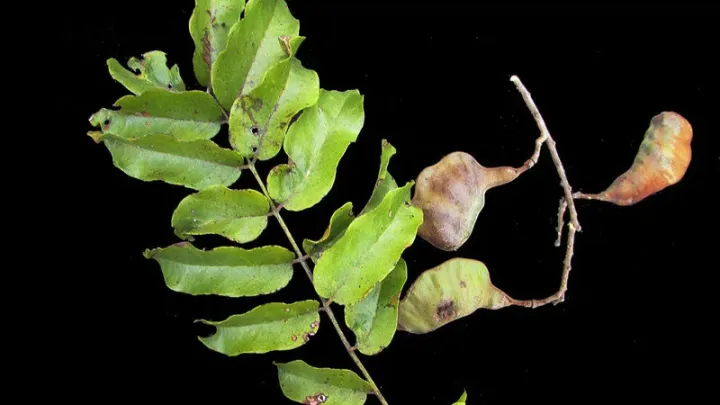
Description
Sowing dates
Melanoxylon brauna is a slow-growing tree species typically propagated from seeds in controlled nursery environments. Seeds require careful preparation to overcome their natural dormancy and ensure successful germination rates.
Sowing should take place in well-draining containers filled with nutrient-rich substrates to support early root development. Maintaining constant moisture levels without waterlogging is essential for the young seedlings during their first months.
Transplanting to the permanent field site is usually carried out after the saplings have reached a robust state, often between 12 and 18 months of age. Timing this during the onset of the wet season significantly improves the establishment success rate.
Planting density must be carefully calculated, ensuring that each tree has sufficient space to grow and access sunlight. Proper spacing is critical to avoid competition for resources during the initial establishment phase.
Regular maintenance during the first two years is vital, as the seedlings are particularly vulnerable to weed encroachment and require cleared ground to thrive without competition.
Growing requirements
Belonging to the Fabaceae family, Melanoxylon brauna is native to the tropical forests of Brazil. It thrives in warm, humid conditions and is highly sensitive to frost or extreme temperature fluctuations.
The species prefers fertile, loamy, or sandy soils that offer excellent drainage. While it thrives in moist environments, it cannot tolerate waterlogged soils, which can quickly lead to root rot and systemic health issues.
As a sun-loving species, Melanoxylon brauna requires high levels of solar radiation to develop the dense, dark heartwood for which it is commercially renowned. Shade should be avoided in mature plantations.
Optimal growth occurs at temperatures ranging between 22 and 30 degrees Celsius. Humidity is a key factor in its metabolism, and prolonged dry spells may require supplemental irrigation to maintain tree vigor.
While the tree is a legume and can fix nitrogen, the addition of organic matter to the soil during the early stages of development helps accelerate growth and improves the overall resilience of the young trees.
Yield
The yield of Melanoxylon brauna is measured by the quality and volume of its dark, dense heartwood. This wood is highly prized for its durability, resistance to rot, and aesthetic appeal, making it an elite material for carpentry.
The heartwood reaches maturity over several decades, making this a long-term investment. Its high density allows for intricate carving and fine finishing, which are highly valued in the production of luxury furniture and instruments.
Productivity is maximized through diligent forestry practices, including regular pruning to encourage the development of a straight, long trunk. A healthy, straight trunk yields a higher volume of premium-grade lumber.
The timber's natural resistance to decay and termites adds significant value, reducing the need for chemical preservatives and ensuring the longevity of wood-based finished products.
Research suggests that integrating this species into agroforestry systems can provide long-term economic stability while contributing to the restoration of degraded tropical soils.
Main diseases and pests
Fungal infections are the most common threat, often exacerbated by high humidity and poor air circulation within the plantation. Ensuring adequate spacing is the primary preventative measure against these pathogens.
Wood-boring insects and termites can pose a threat to both young and mature trees. Regular field monitoring is essential for early detection of infestation sites, allowing for targeted intervention before structural damage occurs.
Weeds, vines, and epiphytic growth can easily overwhelm young saplings. Keeping the base of the trees clean and performing periodic clearing is necessary to ensure the saplings receive enough sunlight.
Mechanical damage from severe tropical winds can be mitigated by careful site selection and the use of protective buffers. Trees with straight trunks are generally more resilient to mechanical stress than poorly developed ones.
Overall, the species maintains good health if managed in its appropriate environment, with systematic monitoring serving as the best defense against pests and diseases.
Harvesting
Harvesting Melanoxylon brauna is a strategic operation performed only after the trees have reached specific diameter and heartwood development markers. Proper timing is essential to ensure maximum lumber quality.
Specialized harvesting equipment is used to handle the extremely hard timber, ensuring that the logs are cut efficiently and without unnecessary waste. Harvesting is ideally done in the dry season to facilitate easier logistics.
The post-harvest process involves careful seasoning of the wood. Due to its high density, the timber must be dried slowly to prevent internal checking or splitting, which can decrease the value of the lumber.
Logistics focus on preserving the integrity of the heartwood, which is the most valuable part of the trunk. Removing the sapwood helps reduce the weight and volume of the logs for transport.
Sustainable harvesting protocols require the immediate replanting of the area to ensure the continuous cycle of timber production and to maintain the forest cover of the plantation site.