
Horse gram
Macrotyloma uniflorum (Lam.) Verdc.
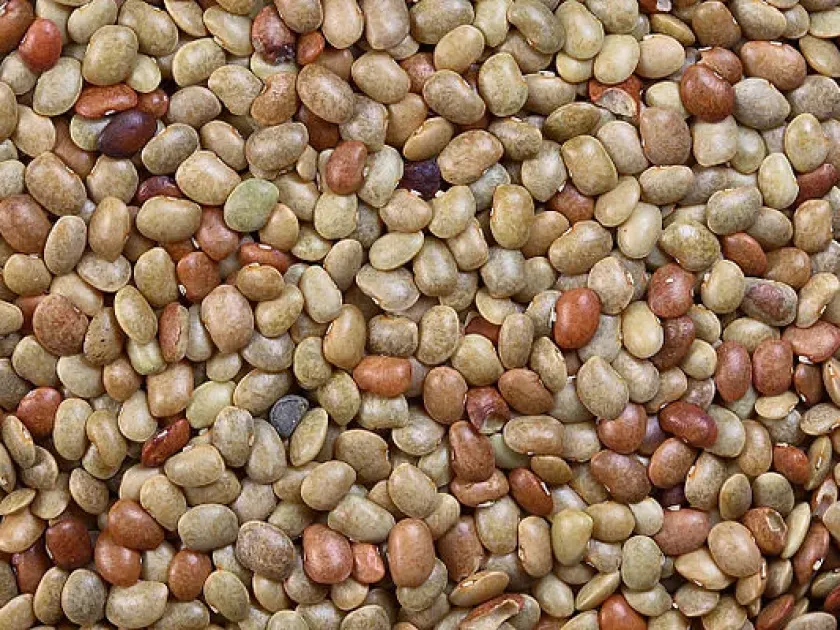
Description
Sowing dates
Horse gram (Macrotyloma uniflorum) is primarily a warm-season crop, best sown at the onset of the monsoon season when soil moisture is adequate for germination.
The seeds should be sown at a depth of 3 to 5 cm with row spacing of approximately 30 cm, allowing enough space for the plant to spread its vegetative branches.
This crop is highly efficient in its growth habit, as it quickly establishes a canopy that suppresses weeds, minimizing the need for manual weeding later in the season.
In regions with irrigation, sowing can be staggered, but the crop is primarily managed as a rain-fed legume that adapts well to erratic rainfall patterns.
Seed inoculation with specific rhizobial strains is highly recommended to enhance nitrogen fixation capacity, which is vital for the crop's performance in poor soils.
Growing requirements
As a member of the Fabaceae family, horse gram is renowned for its exceptional drought tolerance, making it a reliable staple in arid and semi-arid agricultural zones.
It thrives in a wide range of soil types, including sandy and loamy soils, and shows a notable ability to grow in soils with low fertility where other legumes fail.
Optimal temperatures for growth range from 20 to 30 degrees Celsius; the plant is extremely sensitive to frost and extreme cold, which can terminate its growth cycle.
The crop does not demand high levels of synthetic fertilizers, as it improves soil structure and nitrogen content through its natural symbiotic relationship with soil bacteria.
Providing adequate drainage is the most critical management factor, as the plant is susceptible to root rot if grown in heavy, waterlogged clay soils.
Yield
Under favorable growing conditions, horse gram can yield between 500 and 1,200 kg per hectare of high-protein grains, serving as a vital food security crop.
The plant provides abundant foliage, which serves as a highly nutritious fodder for livestock, making it a dual-purpose crop for mixed farming systems.
Yield stability is one of the primary reasons for its cultivation, as it consistently produces a crop even in years with significantly below-average rainfall.
Implementing basic field management, such as timely weeding and preventing soil crusting, significantly increases the final grain output of the harvest.
After the seeds are harvested, the remaining biomass acts as excellent green manure, returning essential nitrogen and organic matter to the field for subsequent crops.
Main diseases and pests
Horse gram is relatively hardy against pests, but it can be susceptible to aphids and pod borers, particularly during periods of high humidity and heat.
Powdery mildew and leaf spot diseases are the most common pathological threats, often exacerbated by stagnant water or poor air circulation within the field.
Integrated pest management strategies, such as crop rotation and the use of resistant varieties, are effective in maintaining crop health without relying on heavy pesticides.
Careful monitoring during the flowering stage is essential, as this is when the crop is most vulnerable to damage from insect pests that affect yield.
Preventative measures, including clean seed selection and proper field spacing, are the best ways to mitigate the risk of disease spread in horse gram fields.
Harvesting
The harvest period begins when the pods turn brownish and the leaves begin to drop, which typically occurs about 3 to 4 months after sowing.
The plants are manually harvested by pulling or cutting at the base and are then allowed to dry in the field or in a sheltered area to ensure complete seed maturity.
Threshing is performed using traditional methods or small-scale mechanical threshers adjusted specifically for the small, hard seeds of the legume.
Proper drying to a moisture content of less than 12% is crucial before long-term storage to prevent fungal infections and maintain seed viability.
Once dried and cleaned, the seeds possess excellent storage longevity, enabling farmers to keep their harvest for extended periods without significant nutrient loss.