
Axillare pea
Macrotyloma axillare (E. Mey.) Verdc.
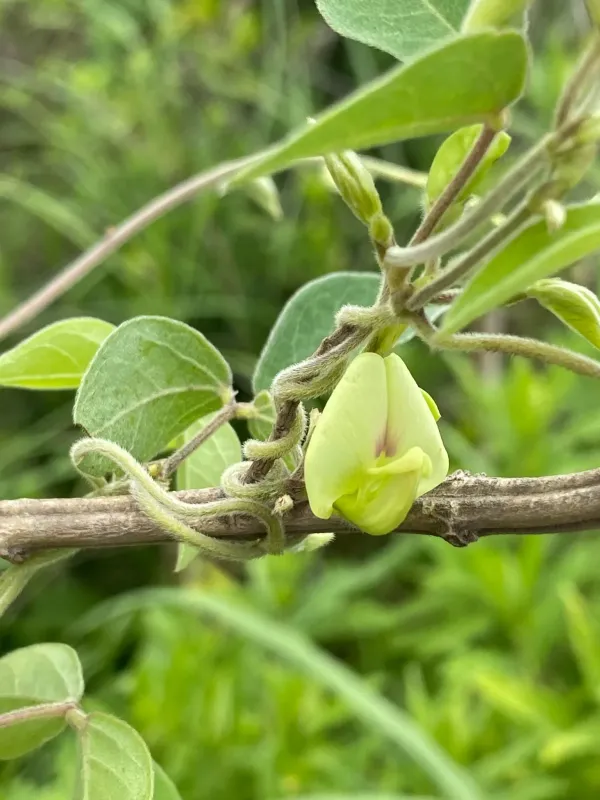
Description
Sowing dates
Macrotyloma axillare is a perennial legume species that demonstrates vigorous early growth, making it an excellent candidate for pasture establishment. Sowing should coincide with the onset of the rainy season to ensure adequate moisture for root development.
The seeds possess a hard seed coat, necessitating scarification before planting to improve germination rates significantly. Optimal planting depth ranges between 1 and 2 centimeters to provide sufficient soil contact while allowing for emergence.
Seed rates generally vary from 2 to 5 kilograms per hectare, depending on whether the plant is grown as a pure stand or as part of a mixture. It is frequently intercropped with various grasses to provide a balanced forage diet.
Inoculation with specific Rhizobium strains is highly recommended to enhance the plant’s nitrogen-fixing capabilities. This biological process is vital for achieving optimal yields and maintaining soil fertility without heavy fertilizer inputs.
Seedlings emerge within 7 to 10 days under favorable conditions. Management during the first two months is crucial, as the young plants require protection from weed competition until they reach full establishment.
Growing requirements
The plant is highly adaptable to various soil types, including loams and clay-rich soils, provided they have adequate drainage. It is notably tolerant of acidic soil conditions, which allows it to thrive in degraded agricultural areas.
Macrotyloma axillare is well-regarded for its drought tolerance, supported by a deep root system that accesses moisture from deeper soil layers. This characteristic makes it suitable for regions experiencing distinct dry seasons.
Ideal temperatures for growth fall within the 20-30 degrees Celsius range. While the species exhibits resilience, it is highly sensitive to frost, which can cause significant damage or death to the aerial parts of the plant.
The crop thrives in full sunlight, as shade tolerance is relatively low. Providing sufficient light is essential for maximizing the photosynthetic efficiency and overall biomass production of the legume.
It is capable of growing in soils with low phosphorus levels, although supplementary fertilization can notably increase production. Ensuring good field preparation helps avoid waterlogging, which the plant does not tolerate well.
Yield
Dry matter yields typically range from 5 to 10 tons per hectare annually, depending on management intensity and environmental conditions. High rainfall periods usually correlate with the peak of vegetative development.
The protein content of the forage is a key benefit, often ranging from 15 to 20 percent. This makes it a high-quality protein source for ruminants, assisting in maintaining animal health and productivity year-round.
Managed rotational grazing is the most efficient method for utilizing the pasture. This practice prevents overgrazing and ensures that the plants have adequate recovery time to maintain persistent stands.
Phosphate application can dramatically improve forage biomass and root system vigor. Even under modest soil fertility, the crop maintains its productivity better than many other forage legumes.
The biomass is suitable for hay production and ensiling, especially when mixed with grasses. This versatility allows farmers to preserve feed for periods when green forage availability is naturally low.
Main diseases and pests
Various insect pests, including leaf-eating beetles and caterpillars, can occasionally impact crop health. Nematodes may also become a concern in light, sandy soils, potentially affecting root performance.
Anthracnose is the most common fungal disease, particularly in humid conditions with poor air circulation. It manifests as leaf spots and can lead to defoliation if left unchecked.
Powdery mildew may occur if the canopy becomes too dense or ventilation is restricted. Strategic spacing and pasture management can effectively mitigate the risk of these fungal outbreaks.
Seed-borne infections can hinder seed production efforts during the maturation phase. Harvesting seeds at the correct time and ensuring thorough drying are essential for preserving seed viability.
While viruses can affect the plant, they rarely cause total crop failure. The inherent resilience of Macrotyloma axillare allows it to recover well from minor pest or disease pressures.
Harvesting
The initial grazing or harvesting should not take place until 4 to 6 months after sowing to ensure the plants have established a robust root system. Keeping a stubble height of at least 15 centimeters is critical for regeneration.
Seed harvesting requires precision as pods are prone to shattering upon drying. Timing the harvest when pods are mature but not fully open is key to preventing high yield losses during the process.
For hay production, the optimal harvest window is at the early flowering stage. This period provides the best nutritional balance between protein content and structural fiber for livestock consumption.
Proper pasture rotation management prevents excessive trampling and soil compaction during wet months. Keeping the stand healthy prolongs the duration of the pasture's utility over several years.
Stored hay must be kept in dry, well-ventilated conditions to prevent mold and nutrient loss. Efficient storage methods ensure that the protein content remains stable for livestock feeding purposes.