
Hovea acutifolia
Hovea acutifolia
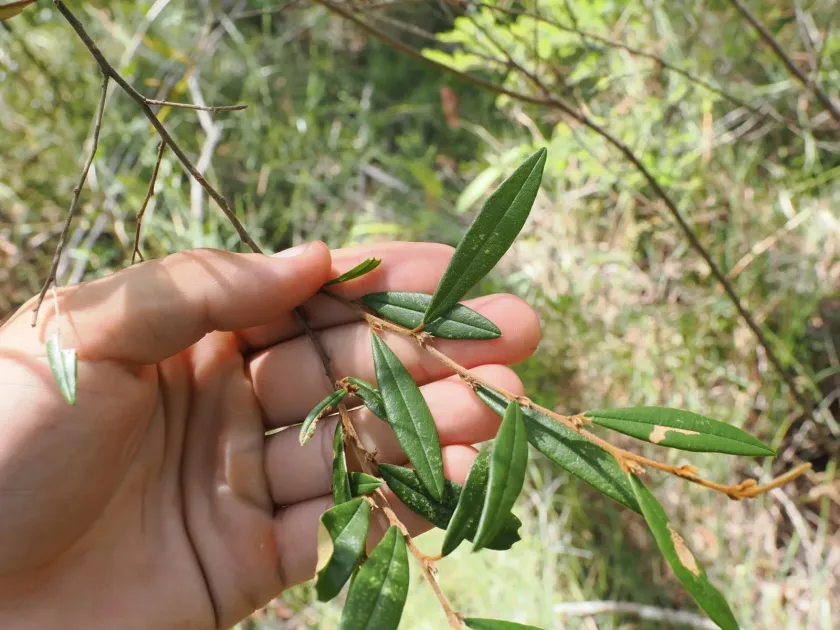
Description
Sowing dates
Hovea acutifolia is an evergreen shrub native to the eastern Australian bushland, belonging to the Fabaceae family. Propagation is primarily carried out through seeds, which require careful handling due to their hard seed coat.
To improve germination rates, seeds should undergo scarification or be soaked in warm water. This process mimics natural conditions, allowing the seedling to break through the tough outer layer more effectively.
The ideal time for sowing is during the spring months, ensuring stable temperatures and sufficient daylight for the seedlings. A light, well-draining potting mix is recommended to prevent waterlogging during the initial growth phase.
Seeds should be covered with a very thin layer of substrate and kept in a warm, sheltered location. Maintaining consistent moisture is vital, but the medium should never be saturated, as young seedlings are prone to damping-off disease.
Once the seedlings develop their second set of true leaves, they can be transplanted into larger pots, allowing the root system to expand comfortably before moving them to their final location.
Growing requirements
This species thrives in well-drained, acidic soils that are rich in organic matter. It is sensitive to alkaline conditions, which can lead to nutrient deficiencies and stunted growth in the plant.
Hovea acutifolia prefers bright, indirect sunlight throughout the day. While it is a hardy plant, extreme exposure to the scorching midday sun can damage the foliage, necessitating a sheltered spot in garden designs.
The plant requires moderate, consistent moisture. It does not tolerate prolonged dry periods, nor does it thrive in overly boggy soils. Proper drainage is the most important factor in its long-term cultivation.
Temperature tolerance is limited; the plant is not frost-hardy and should be kept away from extreme cold. In temperate zones, container cultivation is highly recommended to protect the plant during winter months.
- Acidic potting mix with perlite or gravel for drainage.
- Regular pruning to maintain a bushy and healthy shape.
- Protection from high-speed, drying winds.
- Low-phosphorus fertilizers suitable for native plants.
Main diseases and pests
Root rot is the most significant threat to Hovea acutifolia, usually triggered by improper drainage or excessive irrigation. Once the root system is compromised, the plant is extremely difficult to recover.
Pests such as spider mites and mealybugs can infest the foliage, particularly in indoor environments where airflow is limited or humidity levels are too low. Periodic cleaning and inspection of leaves are essential.
Fungal leaf spot diseases can develop if the foliage remains wet for extended periods. It is highly recommended to water the plant at the base to ensure that leaves stay dry and healthy throughout the growing season.
Aphids might cluster around tender new shoots during the spring, causing growth distortions. Early detection and the use of insecticidal soap or biological control methods are effective against these infestations.
Providing adequate spacing between plants is crucial for improving air circulation and reducing the spread of airborne pathogens. Proper spacing also ensures that all plants receive an equal amount of light.