
Gonocytisus pterocladus
Gonocytisus pterocladus
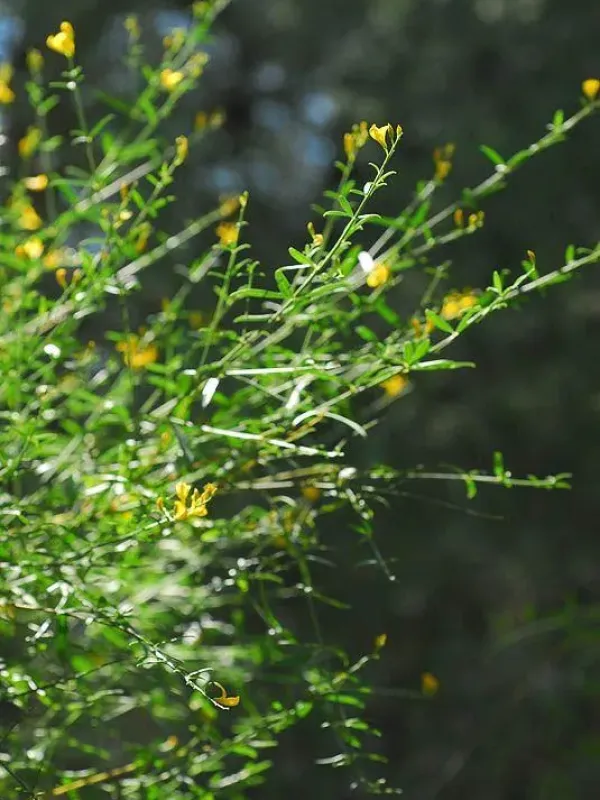
Description
Growing requirements
Gonocytisus pterocladus is a unique shrub belonging to the Fabaceae family. Native to Mediterranean environments, it has evolved to thrive in rocky, nutrient-poor landscapes where other agricultural crops would fail.
Botanically, it is defined by its distinctive winged stems, which act as the primary photosynthetic organs. This adaptation is a defensive mechanism against high temperatures and limited water availability, reducing water loss through transpiration.
Optimal growth requires well-drained, alkaline, or limestone-based soils. The plant is highly intolerant of waterlogging, which often leads to rapid decline due to fungal rot in the root system.
Climate requirements include high exposure to solar radiation and warm, dry summers. It is considered a drought-tolerant species, making it an excellent candidate for low-maintenance agricultural or landscape projects.
In terms of agricultural management, minimal fertilizer is needed as the plant is adapted to nutrient-deficient environments. Over-fertilization can lead to weak vegetative growth, making the plant more susceptible to diseases.
Main diseases and pests
The primary threat to Gonocytisus pterocladus is the development of soil-borne pathogens, particularly Phytophthora species, which thrive in moist and poorly aerated soils. Proper site selection is the best prevention.
Aphids and various mite species can infest the winged stems during the spring growing season. While the plant is hardy, heavy infestations can reduce its overall vitality and reproductive potential.
Weed management is critical during the seedling establishment phase. Once the plant is established, it develops a deep root system that allows it to effectively compete for moisture in its natural habitat.
Environmental stress, such as unseasonably high humidity, can trigger fungal growth on the stem surfaces. Air circulation is essential to keep the aerial parts of the plant dry and healthy.
Monitoring the soil pH is vital; excessive acidity can lead to nutrient deficiencies that manifest as chlorosis on the green stems, negatively impacting the plant's photosynthetic efficiency.