
Dichilus lebeckioides
Dichilus lebeckioides
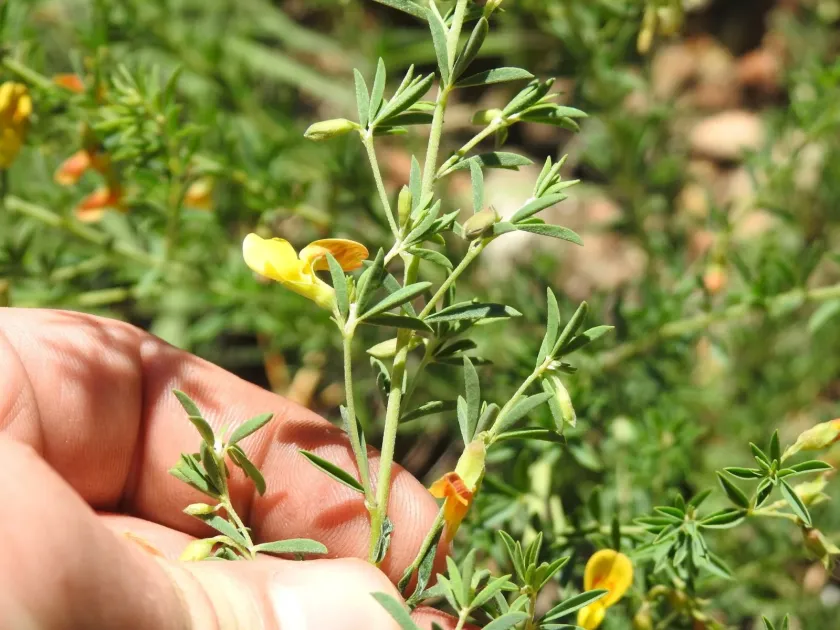
Description
Growing requirements
Dichilus lebeckioides is a notable member of the Fabaceae (legume) family, known for its resilience and adaptability. Native to southern African regions, this plant is categorized as a hardy perennial shrub or herb.
The plant is typically found in environments with well-drained, sandy or gravelly soils. It exhibits a high degree of tolerance to poor soil fertility, which is a characteristic feature of many species within this genus.
Cultivation requires exposure to full sunlight and a climate that avoids extreme frost. The plant is well-adapted to areas with seasonal rainfall, where it can maintain growth during drier periods due to its deep root architecture.
Agricultural success depends on establishing healthy nitrogen-fixing nodules. Inoculation with suitable rhizobial strains may be necessary if the soil does not naturally contain the appropriate microbial population.
The plant does not require high levels of chemical inputs, making it an environmentally friendly option for pasture improvement and soil nitrogen enrichment in arid or semi-arid zones.
Yield
The yield of Dichilus lebeckioides is primarily measured by its forage value, as it provides a valuable source of crude protein for livestock grazing in harsh environments. The biomass production is sustainable over multiple seasons.
Harvest timing is critical; to ensure optimal nutritional content, the crop should be harvested or grazed during the vegetative or early flowering stages. This ensures maximum protein content and palatability.
Seed production is consistent but often requires mechanical harvesting methods that account for the plant's growth habit. Proper cleaning of seeds is essential for achieving high germination rates in future planting seasons.
Yield stability is one of the key advantages of this plant. While it may not reach the high biomass volumes of irrigated temperate crops, it provides reliable feed when other vegetation suffers from moisture stress.
Integration into existing rangeland systems has shown potential for increasing the carrying capacity of pasture lands, provided that grazing pressure is strictly monitored to prevent overgrazing.
Main diseases and pests
The primary threats to Dichilus lebeckioides involve soil-borne pathogens, particularly during periods of waterlogging. Fungal infections of the root system can significantly reduce plant vigor and stand density.
Foliar pests such as aphids and various larvae can damage leaves, leading to reduced photosynthetic area. Integrated pest management strategies are advised to keep populations below economic injury thresholds.
Seed-feeding insects represent a major threat to seed viability. During the reproductive stage, targeted protection is necessary to ensure the harvest of high-quality propagation material.
Weed competition is particularly problematic during the seedling stage. Once established, the plant becomes more competitive, but early weed control remains essential for achieving high stand uniformity.
Environmental stress, such as extreme moisture fluctuations or persistent drought, can weaken the plants, making them more susceptible to secondary infections or opportunistic pests that thrive on stressed tissues.