
Derris
Derris elliptica (Wall.) Benth.
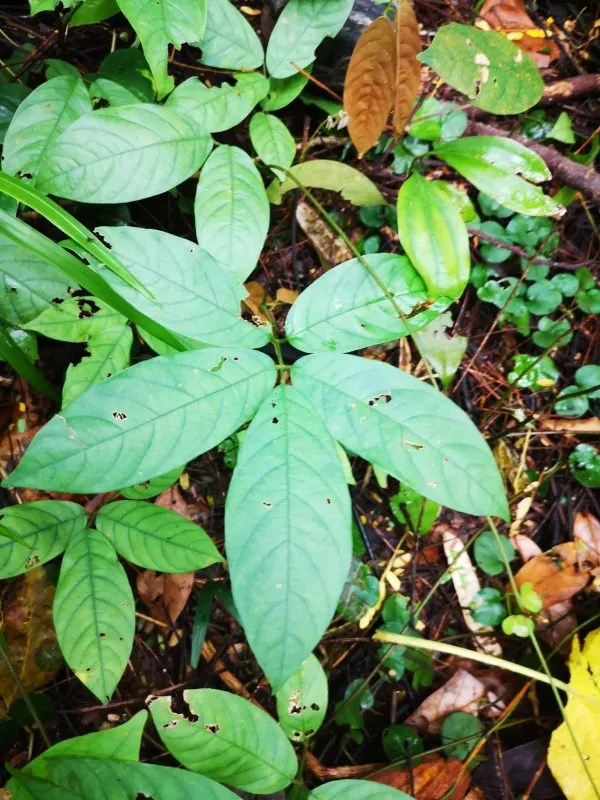
Description
Growing requirements
Derris elliptica is a perennial climbing shrub belonging to the Fabaceae (legume) family. Native to tropical regions of Southeast Asia, this plant is well-known for its potent chemical properties used in agriculture.
The plant thrives in humid, tropical environments with consistently high temperatures ranging from 24 to 30 degrees Celsius. It requires high annual rainfall and cannot tolerate frost or prolonged dry spells.
Regarding soil conditions, it prefers deep, fertile, and well-drained loamy soils. Proper drainage is essential as the plant is highly susceptible to root decay if water accumulates in the root zone.
As a woody climber, it requires vertical support to grow efficiently. In agroforestry settings, it is often intercropped with other species that provide the necessary structure for the stems to climb.
Cultivation practices involve propagation through stem cuttings. Regular weeding is mandatory during the initial establishment phase to prevent competitive growth from encroaching weeds.
Yield
The primary economic value of this crop lies in its roots, which are a major source of rotenone, a natural broad-spectrum insecticide. Commercial yield is calculated based on the dry weight of harvested roots.
It typically takes about 2 to 3 years for the plant to reach maturity and accumulate sufficient levels of active ingredients. Yields vary significantly based on soil fertility and plant management practices.
Main diseases and pests
Derris is remarkably resistant to many pests due to the presence of rotenone in its tissues, which acts as a natural deterrent. This makes the plant relatively low-maintenance in terms of pest control.
However, it remains vulnerable to fungal infections, particularly under conditions of poor soil aeration. Root rot is the most common threat, which can be mitigated by ensuring strict control over drainage and moisture levels.
Harvesting
Harvesting involves digging up the root system of mature plants. The roots are meticulously washed to remove all soil residues and then processed by chopping them into smaller sections.
Drying is a critical step in post-harvest management. The material must be dried in shaded areas, as exposure to direct sunlight causes the rapid degradation of rotenone, significantly reducing the efficacy of the final product.