
Bat wing plant
Christia vespertilionis (L. f.) Bakh. f.
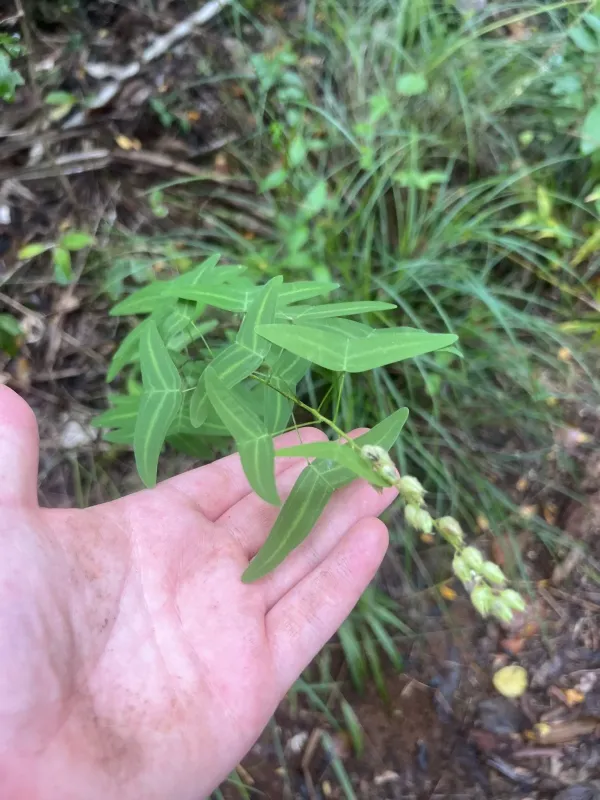
Description
Sowing dates
The Bat wing plant, botanically known as Christia vespertilionis, is a unique perennial species belonging to the Fabaceae (legume) family, native to Southeast Asia.
Propagation is typically achieved through seeds, which require mechanical scarification of the hard seed coat to ensure water absorption and successful germination.
Sowing should be performed in a warm environment, ideally between 25°C and 28°C, using a well-draining, peat-based or sandy seed starting mix.
The seeds are sown shallowly and kept consistently moist but not waterlogged until they sprout, which usually takes several weeks under stable conditions.
Young seedlings should be kept in bright, indirect light and transplanted into larger containers once they have developed at least two sets of true leaves.
Growing requirements
This culture thrives in tropical environments, necessitating high humidity levels and constant warmth to maintain its vigorous growth and foliage health.
Light requirements are specific: the plant prefers bright, filtered light to mimic the understory conditions of its natural tropical habitat.
Soil composition must be rich in organic matter and possess excellent drainage capabilities to prevent root hypoxia, which is a major physiological risk.
Temperature fluctuations should be avoided, as the species is highly sensitive to cold drafts and sudden drops in ambient temperature below 18°C.
Regular fertilization with a balanced, water-soluble fertilizer during the growing season supports the development of its signature butterfly-shaped leaves.
Main diseases and pests
Common pests attacking the Bat wing plant include spider mites, which thrive in low-humidity environments, leading to leaf discoloration and webbing.
Fungal diseases, including root rot and leaf spots, are frequently associated with improper irrigation practices that leave the growing medium too saturated.
Control of infestations often involves washing the foliage with mild horticultural soap or applying systemic pesticides if the damage is severe.
Cultural prevention techniques include improving airflow around the plants and avoiding overhead irrigation, which keeps foliage wet for too long.
Monitoring for signs of stress, such as yellowing or drooping, is essential for early detection of potential threats before they damage the entire plant.