
Jamaica ebony
Brya ebenus
Description
Growing requirements
Jamaica ebony (Brya ebenus) is a prominent member of the Fabaceae family, recognized globally for producing one of the finest and densest hardwoods available. It is a slow-growing tree, often reaching shrub-like forms under certain environmental stressors.
The species is native to the Caribbean region, particularly Jamaica and Cuba. It thrives in well-drained, rocky, and limestone soils, which are characteristic of its native dry forest habitats, making it highly resilient to harsh substrate conditions.
Climate requirements for this culture are strictly tropical. It demands full sun exposure throughout the year to stimulate the slow metabolic processes that result in its characteristic high wood density and deep coloration of the heartwood.
Regarding soil management, while it is adapted to nutrient-poor soils, it requires a neutral to alkaline pH to maintain health. Proper drainage is the most critical factor in its agrotechnology, as waterlogging can cause immediate damage to its sensitive root system.
Propagation is primarily done through seeds. Seedlings require protection from strong winds and intense competition during their initial growth stages, but once established, they demonstrate significant robustness against environmental fluctuations.
Harvesting
The economic importance of Brya ebenus lies in its precious timber, internationally known as Cocuswood. Historically, it has been the premier choice for crafting woodwind instruments, valued for its stability and aesthetic appeal.
The heartwood is extremely hard and features a dark, almost obsidian-like texture. Because of these characteristics, it is often utilized for high-end cabinetry, artisanal turning, and the creation of luxury items like chess pieces or ornamental inlays.
Harvesting strategies are characterized by extreme patience. Due to the very slow growth rate, trees are typically harvested after reaching significant age to ensure the wood has acquired the necessary hardness and coloration profile.
Sustainable forest management practices are encouraged in the regions where this tree is cultivated. Because of its scarcity and high market value, illegal logging remains a threat, necessitating strict adherence to environmental regulations in the Caribbean.
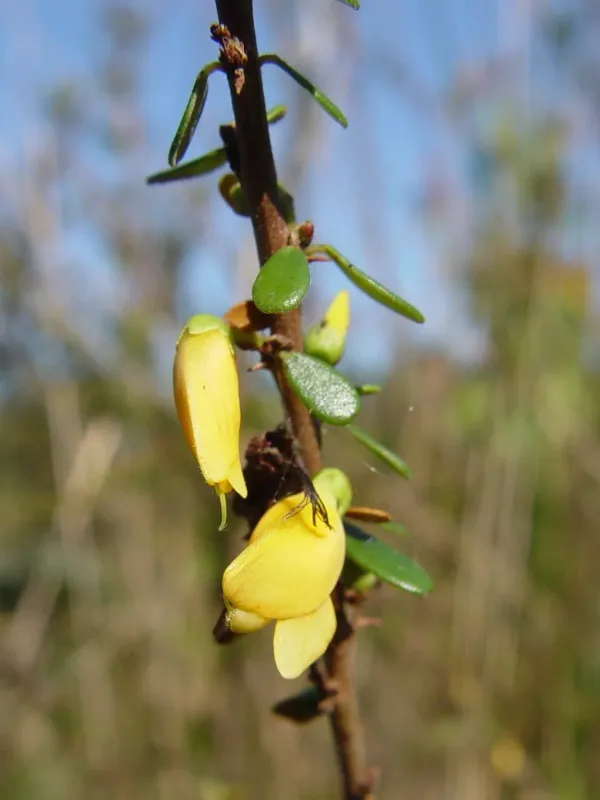
Beyond its timber, the tree serves as an ornamental plant in tropical landscaping. Its golden-yellow, pea-like flowers provide a stunning visual impact, contributing to local biodiversity and providing essential nectar for local bee populations.