
Archidendropsis basaltica
Archidendropsis basaltica
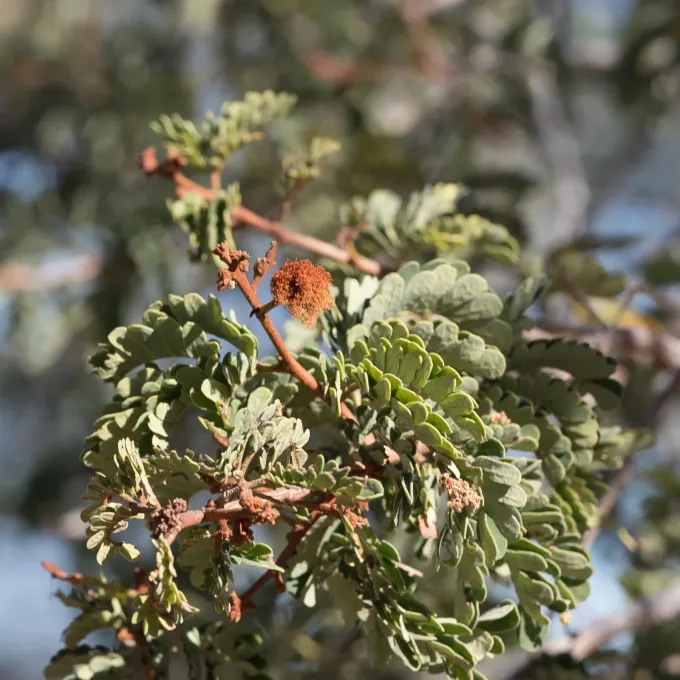
Description
Growing requirements
Archidendropsis basaltica is a tree species belonging to the Fabaceae (legume) family, native to the basaltic regions of Australia. It is characterized by a moderate growth habit and fern-like foliage.
The species is well-adapted to basaltic soils, which provide the necessary mineral base for its development. It thrives in well-drained conditions and exhibits significant drought resistance once established.
This tree requires full sun exposure to maintain optimal physiological activity. Shade significantly reduces its growth rate and affects the density of its crown.
Climate requirements include warm temperatures throughout the growing season. The species is susceptible to severe frost, which limits its outdoor cultivation to tropical and subtropical climate zones.
Soil management practices should focus on maintaining a porous structure. The use of mulch around the base of young trees helps preserve moisture and suppress competing weed growth.
Yield
The primary agricultural utility of this plant lies in its nitrogen-fixing capabilities. It is highly valued in land restoration projects for its ability to enrich soil nutrients naturally.
In arid farming systems, the foliage serves as an emergency fodder source. Livestock often consume the protein-rich leaves during dry periods when other pastures are scarce.
The timber is recognized for its durability and structural strength. While not a primary commercial timber crop, it is utilized for artisanal crafts and small-scale tool manufacturing.
Seed harvesting should be planned for the period of dry capsule maturity. Proper post-harvest handling ensures high germination rates for future propagation cycles.
Sustainable management involves selective pruning, which optimizes biomass production and encourages a robust, stable branch architecture for the individual trees.
Main diseases and pests
Defoliating insects represent the most significant biological threat to healthy growth. Monitoring during the peak vegetation season is essential to prevent widespread leaf loss.
Root system issues, primarily caused by waterlogging, can lead to pathogen development. Ensuring proper site drainage remains the most effective prophylactic measure.
Young plantations are vulnerable to browsing by herbivores. Protective fencing is strongly recommended until the trees have developed a sufficiently thick bark layer.
Fungal infections of the foliage can occur in overly humid microclimates. Increasing air circulation through proper spacing and pruning significantly reduces this risk.
Despite these threats, Archidendropsis basaltica is considered a resilient species that maintains vigor under moderate agricultural management intensities.