
Falconeria insignis
Falconeria insignis
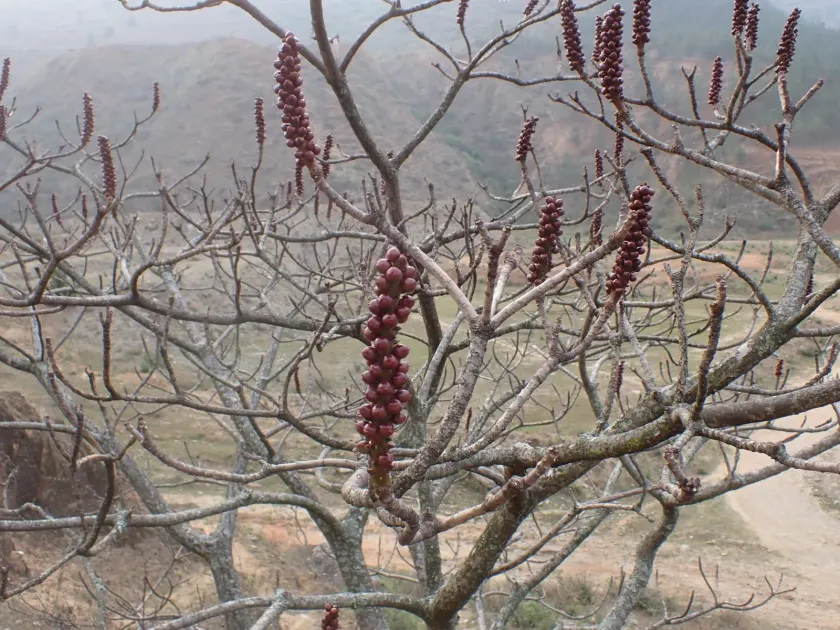
Description
Growing requirements
Falconeria insignis is a distinguished member of the Euphorbiaceae family, representing a monotypic genus native to the tropical forests of South and Southeast Asia. This tree species thrives in warm, humid environments where climatic stability is crucial for its long-term development.
The plant is adapted to monsoon climates, characterized by distinct wet and dry periods. It exhibits a high demand for well-drained, nutrient-rich soils that provide consistent moisture without waterlogging, as the root system is sensitive to prolonged anaerobic conditions.
Optimal growth requires high ambient temperatures throughout the year, making it unsuitable for regions prone to even mild frosts. Exposure to cold stress typically results in significant physiological damage, leaf loss, and a total cessation of vital vegetative activities.
In cultivation, establishing Falconeria insignis requires selecting sites with adequate protection from strong, desiccating winds. Ensuring proper spacing between individual trees is essential to allow for sufficient air circulation, which helps manage microclimatic humidity levels.
Agricultural management involves regular monitoring of soil nutrition and moisture. While established trees are relatively resilient, young specimens benefit from mulching and supplemental irrigation during the initial establishment phase to promote deep root development.
Yield
The economic value of Falconeria insignis is primarily attributed to its wood properties and its significant role in reforestation efforts. Its rapid growth rate makes it a favorable candidate for rehabilitating degraded forest lands in tropical regions.
In local forest management, the species is utilized for timber that is relatively easy to work with, finding applications in carpentry and the production of small wooden domestic items. Its utility contributes to the sustainability of local rural economies.
Beyond its timber value, the tree provides ecosystem services by stabilizing soils and acting as a windbreak in agroforestry systems. Integrating this species with other crops can help manage sunlight and soil humidity, enhancing the overall productivity of the land.
The harvest cycle is managed based on the tree's growth rate and biomass accumulation, ensuring that timber extraction does not compromise the long-term ecological balance of the plantation. Sustainable forestry practices remain central to its cultivation.
Future prospects for the crop involve selecting specific genotypes for increased wood density and enhanced disease resistance. Continued research may also reveal valuable chemical extracts useful in traditional or modern industrial applications.
Main diseases and pests
The primary phytosanitary risks to Falconeria insignis include fungal infections such as leaf rust and stem rot, which are often exacerbated by poor ventilation in high-density plantations. These pathogens can rapidly affect the canopy if left unchecked.
Pest management focuses on protecting against wood-boring insects that target the cambium and xylem layers, potentially weakening the structural integrity of the tree. Regular visual inspections of the trunks are standard practice for early pest detection.
To mitigate the impact of disease, integrated pest management (IPM) strategies are recommended, combining mechanical, cultural, and chemical controls. This includes the systematic removal of diseased branches and the application of fungicides during peak susceptibility periods.
Physiological stressors, such as nutrient deficiencies, can predispose the trees to infestations. Maintaining soil fertility through balanced fertilization programs is essential to bolstering the plant's natural immune system against environmental and biological threats.
Sanitation practices, such as clearing fallen leaf litter and ensuring adequate drainage, play a significant role in reducing the inoculum pressure of soil-borne pathogens. A healthy, well-managed plantation is significantly less prone to widespread disease outbreaks.