
Adriana acerifolia
Adriana acerifola
Description
Growing requirements
Adriana acerifolia is a notable species within the Euphorbiaceae family, recognized for its distinct maple-like foliage. Native to the Australian continent, this shrub has evolved to thrive in diverse and often challenging environments, ranging from coastal scrubs to arid inland zones.
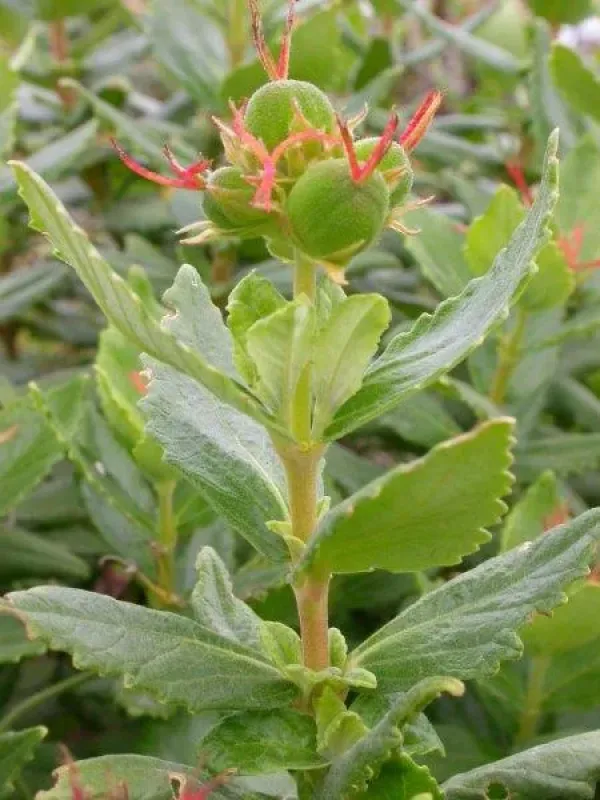
The botanical structure of the plant features woody stems and a persistent root system capable of accessing deep groundwater reserves. Its leaves are typically alternate or opposite, providing a dense canopy that helps the plant retain moisture during prolonged periods of high heat.
Optimal growth for this species is achieved in well-draining soil types, such as sandy loams or rocky substrates. It is exceptionally well-suited for xeriscaping projects due to its minimal water requirements once established in a permanent location.
The plant requires significant solar exposure to maintain its physiological health. While it can handle various wind conditions, protecting it from waterlogging during seasonal rains is essential, as stagnant moisture is the primary cause of decline for this hardy species.
In terms of agricultural and horticultural significance, Adriana acerifolia is valued for its resilience and low maintenance requirements. It serves as an excellent candidate for ecological restoration of degraded soils, contributing to soil stabilization in areas prone to wind and water erosion.