
Indian nettle
Acalypha indica L.
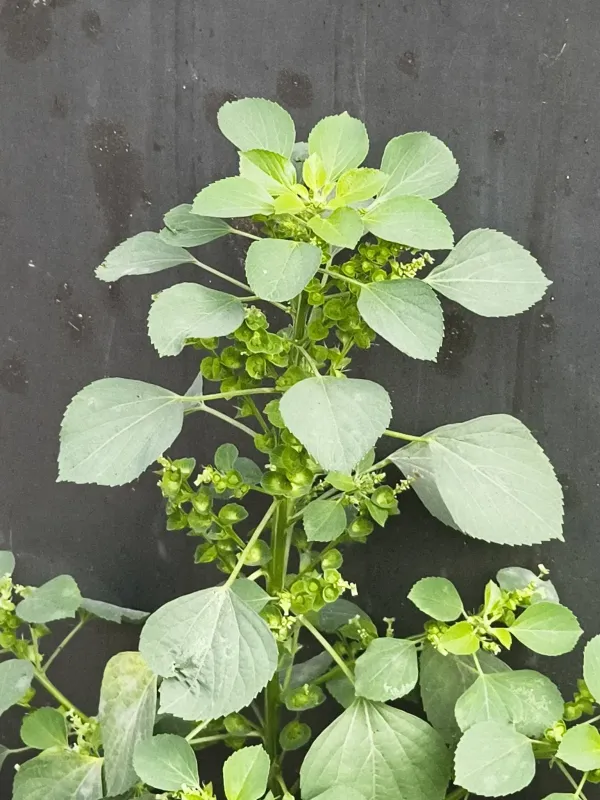
Description
Sowing dates
Acalypha indica is a warm-season annual plant that requires stable, warm temperatures to germinate effectively. Sowing is typically carried out once all risk of frost has passed in the spring.
Farmers usually prefer to sow seeds in prepared seedbeds with a fine tilth, ensuring the soil is warm enough to trigger rapid germination of the small seeds.
For large-scale cultivation, precision seed drills are used to maintain optimal spacing between rows, which is crucial for maximizing light penetration and air circulation.
In regions with shorter growing seasons, starting seeds in nursery trays or greenhouses is a common practice to ensure the plants are robust enough before transplantation.
The time from sowing to emergence generally takes one to two weeks, depending on soil moisture levels and constant daytime temperatures exceeding 20 degrees Celsius.
Growing requirements
As a member of the Euphorbiaceae family, Indian nettle thrives in fertile, well-draining soils with a neutral pH, preferring locations with high solar radiation.
This crop is sensitive to waterlogging, so field selection should focus on areas with excellent natural drainage or raised beds to prevent root diseases.
Regular irrigation is essential during the early vegetative stage, as the plant grows rapidly and requires constant moisture to support its biomass expansion.
Nutrient management involves applying balanced fertilizers, with a slight emphasis on nitrogen during the first phase of growth to encourage leafy foliage.
The plant performs best in a tropical or subtropical climate where temperatures do not drop significantly, as it is highly vulnerable to cold stress and freezing.
Main diseases and pests
Common pests affecting Indian nettle include spider mites, which can cause severe damage to the foliage during periods of drought or low humidity.
Aphids and mealybugs are also frequently encountered, clustering on the undersides of leaves and sucking sap, which stunts the overall growth of the crop.
Fungal pathogens like root rot are major threats to crop health, especially if the soil remains excessively wet or lacks proper aeration for extended periods.
Implementing a rigorous crop rotation program is highly recommended to reduce the buildup of soil-borne pests and diseases in fields where Acalypha is grown.
Monitoring the fields regularly allows for early detection of pest outbreaks, enabling the use of targeted biological controls rather than broad-spectrum chemicals.
Harvesting
The harvest of Acalypha indica is timed to coincide with the plant's peak flowering stage, which ensures the highest concentration of medicinal compounds in the plant tissues.
Harvesting involves cutting the entire above-ground part of the plant, often using mechanized harvesters to process large areas efficiently during the optimal window.
Post-harvest management is critical; the harvested biomass should be transported immediately to drying facilities to prevent quality degradation caused by heat.
Drying is performed in controlled environments with adequate airflow to remove moisture without damaging the sensitive phytochemicals present in the herb.
Once dried to the required moisture level, the material is cleaned of debris, sorted for quality, and stored in protected environments until it is sold for processing.