
Aaron-Ross spurge
Euphorbia aaron-rossii
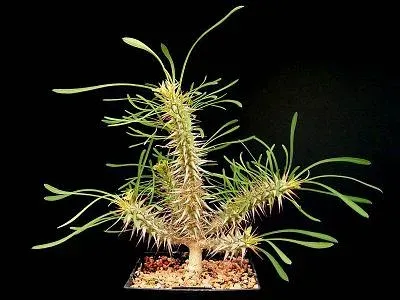
Description
Growing requirements
Aaron-Ross spurge (Euphorbia aaron-rossii) is a perennial herbaceous plant belonging to the Euphorbiaceae family. This species is recognized for its adaptation to arid and semi-arid environments, making it a subject of interest for specialized agricultural systems.
The plant thrives in well-drained, porous soils such as sandy or rocky substrates. It is extremely intolerant of waterlogging, which can rapidly lead to root rot; therefore, selecting an elevated or sloped planting site is a standard agricultural recommendation.
Temperature requirements are high, as the species is essentially a xerophyte that requires intense solar radiation to maintain its structural integrity and metabolic rate. Prolonged exposure to cool, humid conditions is generally detrimental to the plant's health.
Botanical traits include succulent-like stems and narrow, waxy leaves designed to minimize water loss. The plant utilizes specialized mechanisms to store moisture within its tissues, allowing it to survive periods of intense thermal stress.
Agrotechnical management includes minimal fertilization programs. Over-application of nitrogen must be avoided, as it encourages weak, etiolated growth that is susceptible to environmental stress and opportunistic pathogens.
Main diseases and pests
The primary threats to Euphorbia aaron-rossii are fungal pathogens, specifically those causing root and crown rot, which proliferate in poorly drained soils. Managing moisture levels is the most effective preventative measure against these diseases.
Pests such as spider mites and mealybugs can pose a significant challenge, especially in enclosed or low-ventilation growing areas. These pests feed on the succulent tissues, weakening the plant and potentially spreading viral infections.
Integrated Pest Management (IPM) strategies are highly recommended to mitigate damage. This involves monitoring population densities and applying targeted control measures only when necessary, preserving the natural balance of the agro-ecosystem.
Environmental stress, particularly sudden cold snaps, can cause tissue damage and open wounds that serve as entry points for bacterial infections. Protective coverings may be required in regions with volatile weather patterns.
Sanitation practices, including the removal of dead foliage and maintaining proper spacing between plants, are essential for ensuring good airflow and reducing the overall disease pressure on the plantation.