
Acalypha godseffiana
Acalypha godseffiana hort. Sander ex Mast.
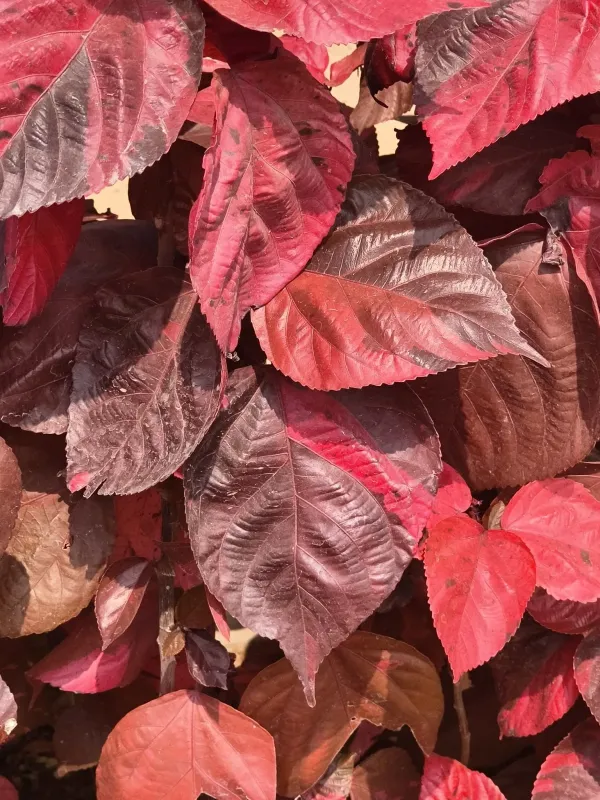
Description
Growing requirements
Acalypha godseffiana is a member of the Euphorbiaceae family, widely recognized as an ornamental evergreen shrub. Native to the tropical regions of New Guinea, this species is highly valued for its striking variegated foliage, which often features creamy-yellow margins on lanceolate leaves.
This culture requires bright, indirect light to maintain its vibrant leaf coloration. Exposure to direct intense sunlight can result in leaf scorching, while prolonged shade will inevitably lead to a loss of the plant's distinctive variegation and weak, leggy stem development.
Growth conditions must be kept within the range of +20°C to +25°C. The plant is sensitive to cold temperatures, and any drop below +16°C can trigger stress responses such as leaf abscission. High ambient humidity is essential for the healthy development of the plant's canopy.
The ideal growing medium is a well-draining, nutrient-rich, slightly acidic soil mix. Consistent moisture levels are required during the growing season; however, the soil should never become waterlogged, as this is a primary cause of mortality in containerized Acalypha specimens.
Horticultural use focuses primarily on indoor ornamental decoration and tropical greenhouse cultivation. Regular pruning is a vital part of the maintenance schedule, as it encourages dense, bushy growth and prevents the plant from becoming overgrown and losing its aesthetic shape.
Main diseases and pests
The primary pests affecting this species are spider mites, scale insects, and mealybugs, which thrive in low-humidity environments. Cultural control involves regular leaf inspection and misting. Overwatering or poor drainage often leads to fungal root pathogens, necessitating soil sanitation and improved aeration.