
Broom crowberry
Corema conradii
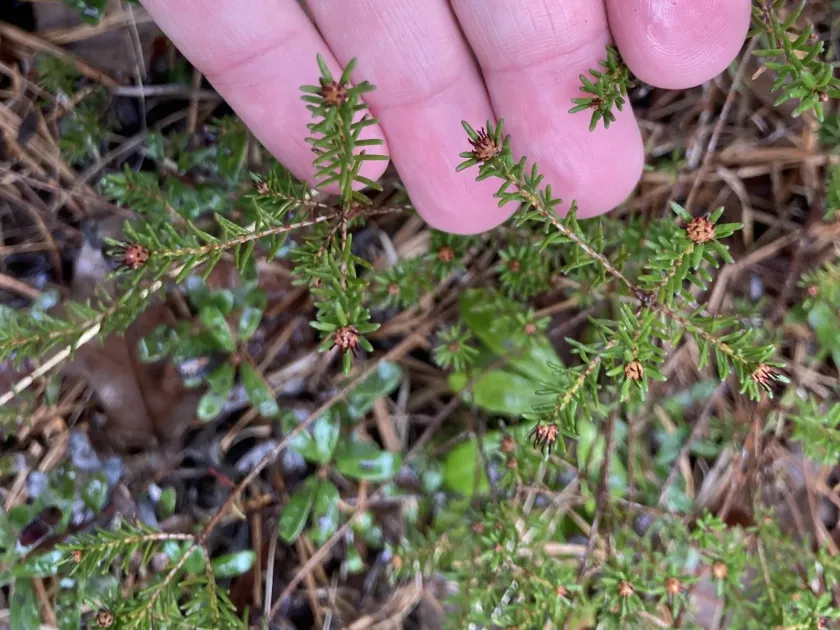
Description
Growing requirements
Corema conradii, commonly known as broom crowberry, is a low-growing, evergreen shrub belonging to the Ericaceae family. It is native to the coastal regions of North America, typically found in dry, rocky, or sandy environments.
This species requires extremely well-drained, acidic soil to thrive. It is highly adapted to nutrient-poor environments and cannot tolerate heavy, waterlogged clay soils, which lead to root issues.
The plant demonstrates excellent sun-loving characteristics. In an agricultural or horticultural setting, it must be provided with full exposure to sunlight to maintain its dense, compact growth habit.
Climate adaptability is one of its strongest features. It thrives in maritime climates where it can withstand persistent, salty winds and cold temperatures, making it a robust choice for coastal gardening.
The plant has limited commercial use but is highly valued by native plant enthusiasts and landscape designers for ground cover in sandy or rocky gardens, helping to stabilize soil and prevent erosion.
Main diseases and pests
The primary threats to Corema conradii populations involve human development and habitat loss. As a specialized species, it relies on specific ecological conditions that are fragile.
In cultivation, the most significant threat is improper moisture management. Excessive watering or poor drainage quickly causes fungal decay in the root system, which is almost always fatal.
Disease pressure is generally low unless the plant is stressed by environmental factors. Keeping the foliage dry and ensuring good air circulation around the plant is essential to prevent mildews.
Pests such as spider mites or scale insects may occasionally attack the plant if it is grown under sub-optimal conditions. Maintaining plant vigor through proper site selection is the best pest prevention strategy.
Chemical intervention should be avoided. Due to its sensitivity to soil chemistry, high-salt fertilizers can damage the root hairs, making slow-release organic mulching a safer alternative.