
Copperbush
Cladothamnus pyroliflorus
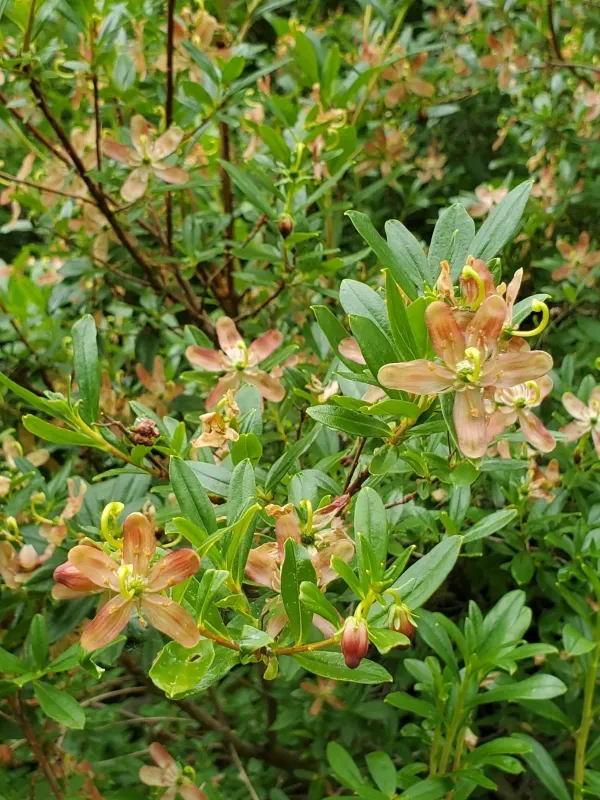
Description
Growing requirements
Copperbush (Cladothamnus pyroliflorus) is a deciduous shrub belonging to the Ericaceae family. Native to the mountainous coastal regions of the Pacific Northwest, it thrives in cool, temperate rainforest environments.
The plant requires acidic, well-draining soil that is rich in organic matter. As an ericaceous species, it is highly sensitive to soil pH and requires conditions typically found in woodland gardens or peat-based substrates.
Regarding climate requirements, it prefers high ambient humidity and protection from extreme temperature fluctuations. It is best suited for sheltered areas where it can receive filtered sunlight rather than direct exposure.
Botanically, it is known for its distinct, five-petaled copper-colored flowers, which resemble those of the Pyrola genus. The plant typically forms a bushy, upright structure reaching heights of up to two meters.
In terms of agricultural and horticultural utility, it is exclusively used as an ornamental species. It is a prized specimen for specialized collections that focus on native flora and plants with specific ecological requirements.
Main diseases and pests
The primary threats to Copperbush involve fungal pathogens, particularly those affecting the root system in conditions of waterlogging or poor drainage.
Phytophthora root rot poses the most significant risk to the plant, often resulting in sudden decline if the drainage is insufficient or the soil structure is too compacted.
Pests such as spider mites and aphids may become problematic during dry spells, damaging the foliage and decreasing the plant's overall vigor.
Preventative care is essential for this species, including monitoring for leaf chlorosis which acts as an early indicator of improper soil pH levels.
Maintaining a layer of organic mulch around the root base helps retain moisture while protecting the roots from temperature stress, thus reducing overall disease susceptibility.