
Bejaria racemosa
Bejaria racemosa
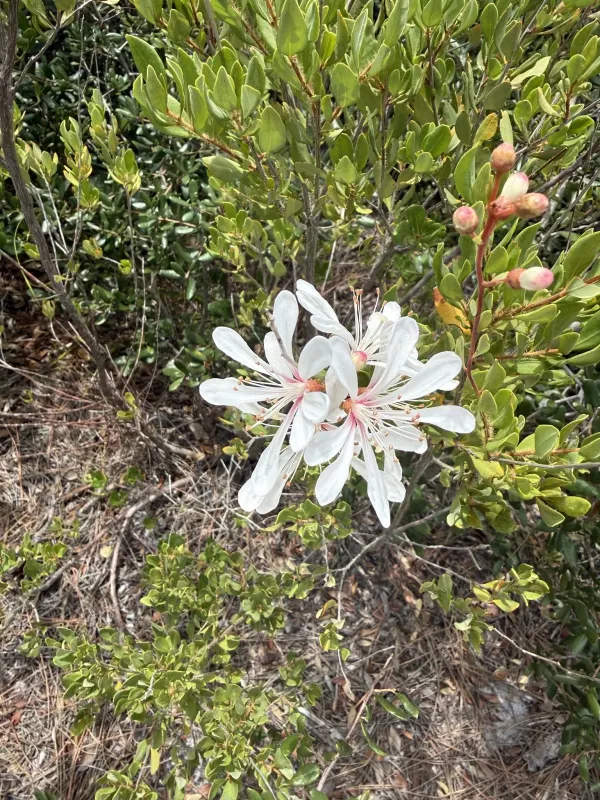
Description
Growing requirements
Bejaria racemosa, commonly known as the Florida flycatcher or tarflower, is an evergreen shrub belonging to the Ericaceae family. It is native to the southeastern United States, primarily inhabiting sandy pine flatwoods and savannas.
The cultural requirements for this plant focus on acidic, well-drained, sandy soils. Being an acid-loving plant, it thrives in environments where pH levels range between 4.5 and 5.5. Proper drainage is essential, as the plant cannot tolerate waterlogged conditions.
This species prefers full sun to light shade, which encourages more prolific flowering. Its native habitat is characterized by mild winters and high humidity, so it performs best in climates that do not experience extreme freezing temperatures for extended periods.
Agronomic management involves mulching to maintain soil moisture and moderate fertilization specifically formulated for Ericaceous plants. It is crucial to avoid heavy soil compaction around the root zone to ensure adequate gas exchange.
Host plant utilization is primarily ornamental. Because of its attractive, terminal clusters of flowers, it is considered a valuable addition to native plant gardens and restoration projects in its endemic range.
Main diseases and pests
The main threats to Bejaria racemosa include soil-borne fungal pathogens that target the root system. Overwatering or poor drainage often triggers root rot, which is usually fatal for established specimens.
Pest issues include typical greenhouse or garden pests such as aphids and spider mites, particularly during periods of low precipitation. These pests often congregate on the soft new growth of the plant in the spring.
Powdery mildew can occur in areas with poor airflow and high humidity. Ensuring proper spacing between plants is a fundamental preventative measure against these fungal attacks in a nursery or landscape setting.
The plant is sensitive to chemical herbicides and soil additives that increase pH. High alkalinity can lead to nutrient deficiency, specifically manifesting as interveinal chlorosis on the leaves, which weakens the shrub significantly.
Management of competitive vegetation is necessary during the establishment phase. As a relatively slow-growing shrub, it needs protection from fast-growing weeds to ensure it receives sufficient light and soil nutrients.