
Balfour rhododendron
Rhododendron balfournianum
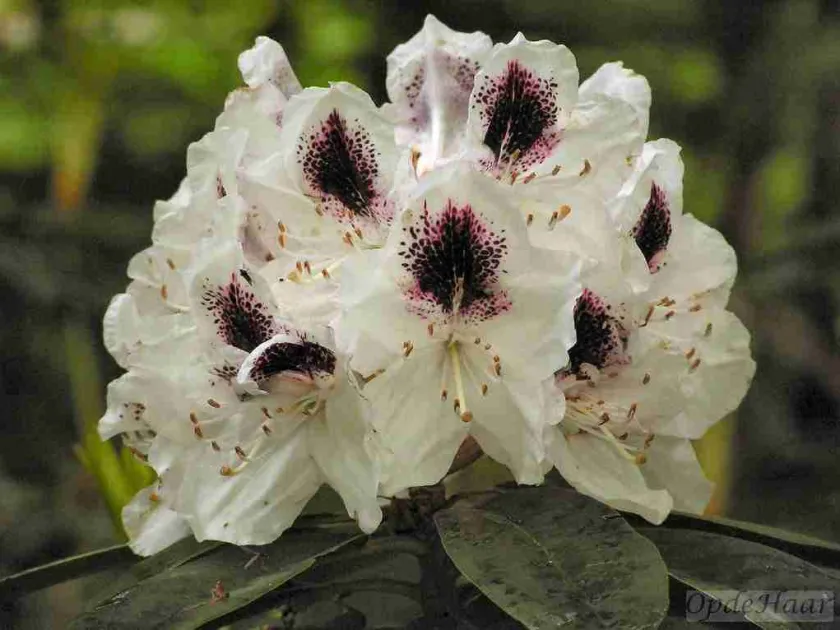
Description
Growing requirements
The Balfour rhododendron (Rhododendron balfournianum) is an evergreen shrub species belonging to the Ericaceae family. It is native to the high-altitude forests of Southwestern China, where it thrives in cool, moist, and temperate conditions.
The cultural requirements for this plant are strictly defined by its biology. It requires acidic soil with a pH ranging from 4.5 to 5.5, rich in organic matter and pine needles. The drainage must be excellent to prevent root rot while keeping the soil consistently moist.
Site selection is critical for this species. It should be placed in partial shade, mimicking its natural habitat beneath the forest canopy. Protection from strong, drying winds and direct midday sun is essential to prevent leaf scorch and dehydration.
Maintenance involves year-round mulching. Applying a thick layer of composted pine bark or peat moss around the base helps preserve soil moisture, suppress weeds, and maintain the necessary acidic environment for the delicate root system.
As a landscape feature, this rhododendron is prized for its attractive foliage and distinct flowering habits. It is best suited for woodland garden settings, rockeries, or shaded border plantations where humidity levels remain relatively stable throughout the growing season.
Main diseases and pests
Phytophthora root rot is the most serious threat to this species, typically triggered by waterlogged soil. Proper soil aeration and drainage are the primary defense mechanisms against this destructive fungal pathogen.
Pest management is focused on controlling common rhododendron invaders like the rhododendron bug and spider mites. These pests thrive in hot, dry conditions and can quickly compromise the plant's health by sapping its vitality.
Powdery mildew may occur if air circulation is inadequate, especially during humid summer months. Pruning for better airflow and removing fallen leaves can significantly reduce the risk of spreading fungal spores throughout the planting site.
Chlorosis is a frequent non-infectious issue caused by soil pH imbalances. If the foliage appears yellowish while the veins remain green, soil amendment with elemental sulfur or iron chelates is usually required to restore proper nutrient uptake.
Winter desiccation is a common challenge for evergreen shrubs. Ensuring the plant is well-watered before the ground freezes, combined with using winter screen protection, can prevent the plant from losing too much moisture during cold, windy weather.