
Blood-red rhododendron
Rhododendron sanguineum
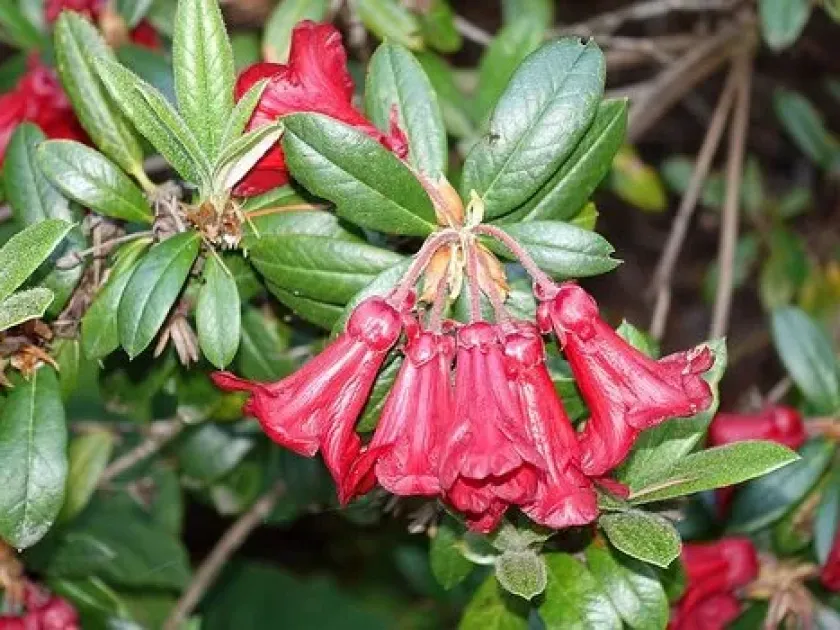
Description
Growing requirements
The blood-red rhododendron (Rhododendron sanguineum) is a distinctive evergreen shrub from the Ericaceae family, widely recognized for its vibrant deep-red flowers. Native to the high-altitude regions of the Himalayas, this species thrives in cool, moist environments with high atmospheric humidity.
Successful cultivation requires highly acidic soil conditions, ideally with a pH between 4.5 and 5.5. Gardeners should prepare a specialized planting medium consisting of peat moss, pine bark, and organic matter to ensure adequate drainage and long-term soil acidity.
This shrub prefers partial shade or dappled light conditions. Intense midday sun can quickly damage its leathery leaves, leading to scorching and dehydration, which makes strategic planting under larger canopy trees an essential practice for healthy growth.
Water management is crucial as the species has shallow, sensitive roots. Consistent moisture is required, but stagnant water must be avoided at all costs to prevent root rot. Soft, slightly acidic water is recommended for irrigation to prevent alkaline buildup in the soil.
Mulching is a standard practice for maintaining stable root temperatures and moisture levels. A thick layer of pine needles or wood chips helps mimic the natural forest floor habitat and provides extra protection during the freezing winter months.
Main diseases and pests
Fungal pathogens such as Phytophthora root rot pose the most significant threat to Rhododendron sanguineum, especially in poorly drained soils. Implementing proper drainage and applying prophylactic systemic fungicides can mitigate these risks effectively.
Pests like the rhododendron bug and spider mites are common enemies that thrive in warm, dry weather. These insects feed on leaf tissue, resulting in chlorotic spots and stunted plant development, requiring timely intervention with appropriate insecticides.
Leaf spot diseases are also prevalent when air circulation is inadequate or humidity remains trapped around the foliage. Pruning to improve airflow and avoiding overhead irrigation late in the evening are key preventive cultural practices.
Iron chlorosis is a recurring problem caused by rising soil pH levels, which prevents nutrient absorption. Correcting soil chemistry with sulphur or chelated iron fertilizers is essential to maintain the dark green color of the leaves and ensure overall vigor.
Regular monitoring of plant health allows for early detection of infestations. Removing debris from under the shrub and maintaining high plant hygiene standards are the best ways to ensure the longevity of this ornamental species in a landscape setting.