
Bell rhododendron
Rhododendron campanulatum
Description
Growing requirements
The bell rhododendron is an evergreen shrub or small tree belonging to the Ericaceae family. Native to the high-altitude regions of the Himalayas, this plant thrives in environments characterized by cool temperatures and significant air humidity. Its botanical structure reflects these origins through its thick, leathery leaves and specialized root system.
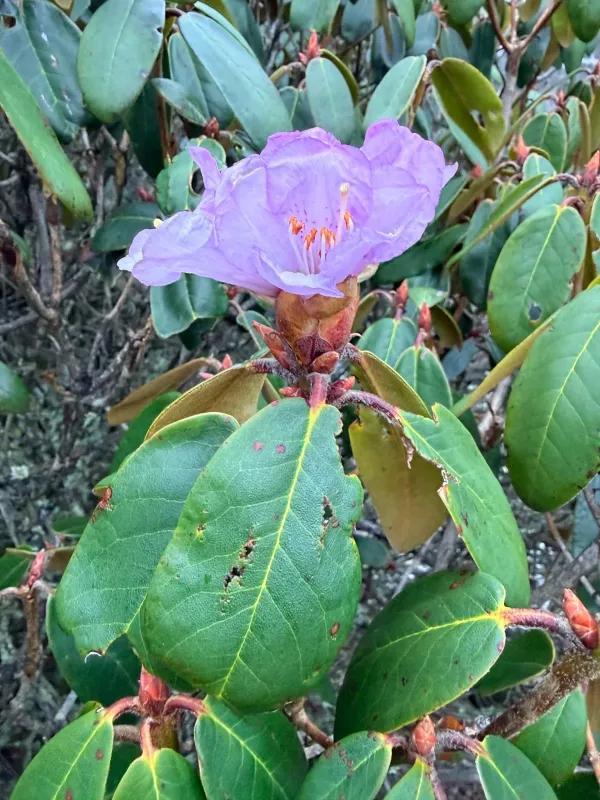
Botanically, this species is noted for its bell-shaped flowers that appear in clusters during late spring. The leaves have a distinct appearance, often featuring a reddish-brown woolly indumentum on the underside, which is a classic diagnostic feature. The shrub can reach several meters in height, developing into a dense, rounded canopy.
To cultivate this plant successfully, one must replicate its natural alpine conditions. The most critical requirement is acidic soil, preferably a mixture rich in peat moss and organic matter such as pine bark. The pH level must stay between 4.5 and 5.5 to ensure efficient nutrient uptake by the shallow roots.
Location selection is vital for the bell rhododendron. It performs best in partial shade, where it is shielded from harsh afternoon sun that can scorch the foliage. Adequate airflow is necessary, yet the plant should be protected from drying winds to maintain the hydration levels of its evergreen leaves.
Economically, the species is primarily utilized in the ornamental industry. It is highly sought after for rock gardens, woodland displays, and as a specimen plant in temperate climate estates. Its hardiness makes it a favorite among collectors and landscaping professionals looking for evergreen structural elements.
Main diseases and pests
The primary threats to the health of the bell rhododendron involve soil-borne pathogens. Phytophthora root rot is particularly destructive in poorly drained soils. Improving drainage with aggregate or planting in raised beds is a standard prophylactic agricultural practice.
Common insect pests include rhododendron leafhoppers and vine weevils. These pests can significantly reduce the plant's aesthetic value through leaf damage and root feeding. Integrated pest management, including the use of neem oil or specific systemic insecticides, is recommended for long-term control.