
Bearberry
Arctostaphylos uva-ursi (L.) Spreng.
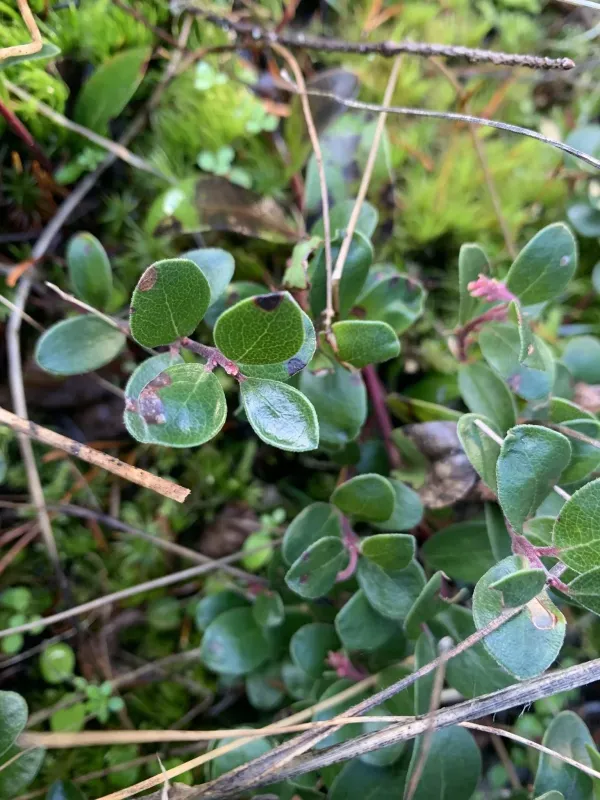
Description
Sowing dates
Bearberry (Arctostaphylos uva-ursi) is a member of the Ericaceae family. It is a slow-growing, evergreen, trailing shrub that is typically propagated through cuttings in agricultural settings to ensure the survival and uniformity of the crop.
Seed propagation is possible but challenging due to the dormancy of the seeds, which requires stratification. Planting is usually done in an acidic, sandy substrate that mimics the plant's native habitat in rocky barrens or pine forests.
Cuttings are best taken in late spring or early summer. They should be placed in a high-humidity environment with a well-draining, acidic growing medium to encourage the formation of root systems.
When establishing a patch, spacing is critical. Providing sufficient room allows the trailing stems to root at the nodes, which facilitates the horizontal spread of the plant across the soil surface.
Initial establishment requires consistent moisture, but once the plants have rooted, they become remarkably resilient to environmental stressors, provided the soil pH remains low.
Growing requirements
Bearberry requires full sun to partial shade and thrive in well-drained, nutrient-poor, and acidic soils. The presence of specialized mycorrhizal fungi in the soil is often beneficial for the optimal growth of this species.
The plant is highly hardy and cold-tolerant, making it suitable for northern regions. However, it is extremely sensitive to waterlogged soils, which frequently cause root rot and total loss of the crop.
Fertilization should be handled with extreme care. High nitrogen levels can cause excessive vegetative growth that reduces the concentration of active medicinal compounds like arbutin within the leaves.
Mulching with pine needles or acidic peat helps to suppress weed growth while maintaining the preferred soil pH level. Weed control is essential because bearberry is a poor competitor against aggressive grasses.
In terms of climate, the species requires an environment with good air circulation to prevent foliage diseases. It is not suitable for high-humidity, low-airflow environments.
Yield
The yield of bearberry is focused on the harvestable leaf mass. It is a slow-growing crop, and commercial maturity is typically reached between four and five years after the initial planting.
Sustainable harvesting is crucial to maintain the longevity of the patch. Over-harvesting reduces the photosynthetic capacity of the plants, leading to weakened growth and a decrease in medicinal quality.
The concentration of active ingredients in the leaves is heavily influenced by the age of the leaves and the time of harvest. Older, mature leaves generally contain higher levels of the therapeutic glycoside arbutin.
Yields can be maximized by ensuring the plants are not stressed by competing weeds or pests. A well-managed patch can provide a steady annual harvest for several years before needing rejuvenation.
Economic profitability depends on the demand for high-quality, sustainably sourced herbal material. Maintaining strict purity standards is essential for the marketability of the dried leaves.
Main diseases and pests
The main threats to bearberry are fungal diseases, particularly those affecting the foliage, which are usually triggered by poor drainage or high humidity. These infections can rapidly defoliate the plants.
Pests are generally less of an issue than environmental factors, but certain leaf-feeding insects can cause damage during the growing season. Early detection and mechanical removal are preferred over chemical treatments.
- Leaf spot diseases due to excess moisture.
- Root rot from poor drainage or waterlogging.
- Encroachment by fast-growing weeds and invasive species.
- Damage from leaf-eating insects in warmer climates.
Integrated pest management is recommended, focusing on maintaining plant health through proper spacing and sanitation. Removing infected leaves helps prevent the spread of pathogens.
Because the product is medicinal, chemical control methods should be avoided. Organic fungicides and good agricultural practices are the only suitable ways to manage threats in a professional setting.
Harvesting
The harvesting of bearberry leaves is typically performed in two windows: early spring, before the flowers open, or in late autumn, after the fruit has fully ripened and the plant enters dormancy.
Leaves are hand-plucked or carefully clipped. It is standard practice to harvest only a fraction of the foliage from any given plant to ensure the shrub remains healthy and continues to grow.
Drying must occur quickly in a shaded, well-ventilated area. High temperatures or exposure to direct sunlight will cause chemical degradation of the active compounds and destroy the green color.
Storage should be in a cool, dry, and dark location to preserve the medicinal properties. Proper packaging in paper or cloth containers is necessary to maintain the shelf life of the dried product.
Quality control involves testing the leaf material for arbutin concentration. Properly dried and stored leaves can maintain their potency for several years, ensuring their value in herbal medicine.