
Blueberry Ash
Elaeocarpus reticulatus Sm.
Description
Growing requirements
Blueberry Ash (Elaeocarpus reticulatus) belongs to the family Elaeocarpaceae and is native to the eastern regions of Australia. This evergreen plant is highly regarded for its attractive foliage and distinct, bell-shaped fringed flowers that appear in shades of white or pink during the blooming season.
The cultivation of this species requires well-drained, nutrient-rich soil with a slightly acidic to neutral pH level. It thrives in locations that offer protection from intense, direct sunlight, preferring light shade or dappled light conditions to maintain its lush appearance and prevent leaf scorch.
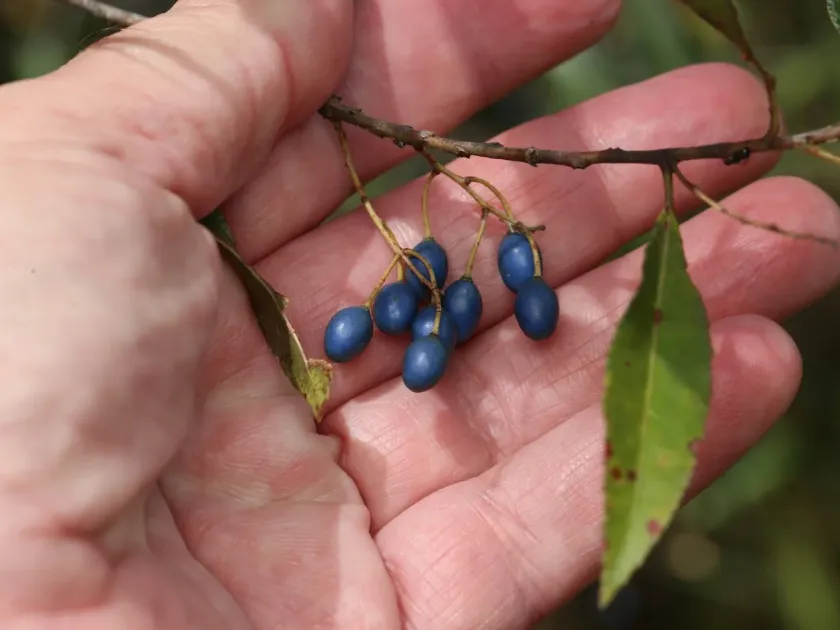
Botanically, the plant is characterized by its reticulated leaf veins and the production of small, vibrant blue fruits that follow the flowering stage. These berries are not only a visual highlight but also a food source for local bird species, adding ecological value to garden settings.
Regarding agricultural practices, regular irrigation is essential, especially during the establishment phase and periods of low rainfall. However, gardeners should avoid waterlogged conditions, as the root system is susceptible to decay if kept in stagnant, poorly aerated soil.
In terms of economic and practical use, the Blueberry Ash is primarily utilized in landscape design. Its ability to tolerate pruning and shaping makes it an excellent candidate for hedges, privacy screens, or as a feature plant in managed urban or residential landscapes.
Main diseases and pests
The plant is susceptible to various fungal diseases, primarily triggered by excessive humidity or poor soil drainage. Root rot and leaf spot are common issues that can compromise the health of the plant if not managed through proper site selection and watering practices.
Common insect pests include scale insects and spider mites, which can cause significant damage by feeding on plant sap. Early detection is key, as infestations can lead to stunted growth, yellowing foliage, and, in severe cases, the death of individual branches or the entire plant.
Management of these threats involves a combination of cultural and chemical controls. Maintaining plant vigor through balanced fertilization and providing adequate air circulation around the canopy helps build natural resistance against most common fungal pathogens and opportunistic pests.
If chemical intervention is necessary, the use of systemic insecticides or targeted fungicides is recommended. It is important to apply these treatments during the early stages of the infestation to prevent the spread and minimize the impact on beneficial insects within the ecosystem.
Providing the plant with a consistent, stress-free environment significantly reduces the risk of pest attacks. Regular monitoring of the foliage and root zone is a critical part of the maintenance schedule for ensuring the long-term health and aesthetic quality of the Blueberry Ash.