
Elaeocarpus hainanensis
Elaeocarpus hainanensis
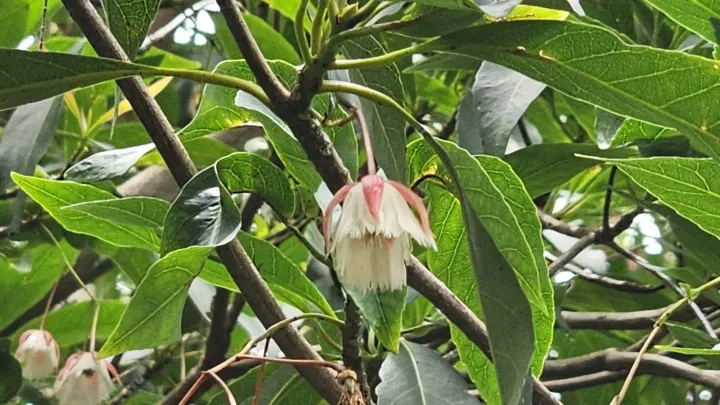
Description
Growing requirements
Elaeocarpus hainanensis is a member of the Elaeocarpaceae family. It is a striking evergreen tree characterized by its elegant foliage and dense, symmetrical growth, which makes it a preferred species for ornamental urban landscaping.
Native to the Hainan province of China and surrounding tropical regions, this tree thrives in high-humidity environments. Its natural habitat includes mountainous forests where it benefits from consistent rainfall and mild temperatures throughout the year.
To cultivate this species successfully, gardeners must provide deep, fertile soils rich in organic matter. Proper drainage is essential, as the roots are sensitive to waterlogging, which can lead to rapid decay in compacted soil conditions.
Climate requirements strictly favor tropical and subtropical zones. The plant does not tolerate frost and requires a stable, warm environment. In colder climates, cultivation is restricted to large indoor conservatories or heated glasshouses to prevent tissue damage.
Agrotechnical practices involve consistent irrigation, especially during the establishment phase. Mulching the base of the tree is highly recommended to retain moisture in the root zone and protect the shallow surface roots from heat stress.
Main diseases and pests
The primary threats to Elaeocarpus hainanensis include fungal pathogens that exploit high humidity and poor circulation. Root rot is a common issue that occurs if drainage is compromised, requiring immediate soil remediation.
Insect pests, such as aphids, scale insects, and spider mites, are frequent challenges. These pests primarily target the soft, young leaves and stems, sucking the plant sap and hindering the overall development of the tree canopy.
Integrated pest management is recommended for maintaining tree health. This involves regular monitoring, manual removal of pests in early stages, and the application of horticultural oils or specialized insecticides only when necessary.
Nutrient deficiencies, particularly involving iron or nitrogen, can lead to foliage yellowing. Providing a consistent fertilization schedule during the active growing season is crucial for maintaining the deep green color of the leaves.
Structural pruning is essential for maintaining the tree's form and ensuring airflow through the canopy. Removing dead or overlapping branches helps in reducing the humidity trap that favors fungal infections, ensuring long-term vitality.