
Elaeocarpus decipiens
Elaeocarpus decipiens Hemsl.
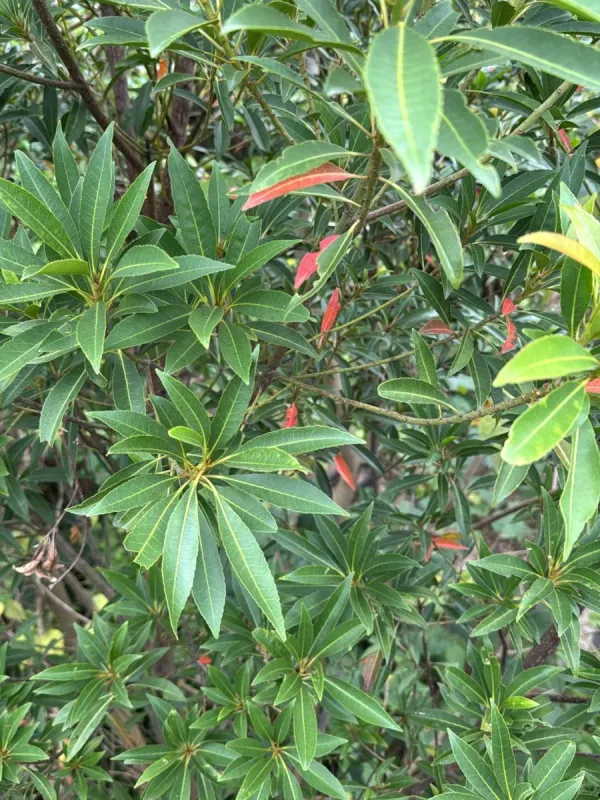
Description
Sowing dates
Propagation of Elaeocarpus decipiens is primarily achieved through seed sowing or semi-hardwood cuttings. Seeds require a period of cold stratification to break dormancy and ensure uniform germination when planted in nursery trays.
The sowing medium should consist of a well-draining mixture of peat, perlite, and fine sand. Keeping the temperature consistent between 18 and 22 degrees Celsius is essential for optimal sprout development in spring.
Cuttings are a preferred method for commercial nurseries to ensure genetic uniformity. Cuttings are taken in mid-summer, treated with rooting hormones, and placed in a high-humidity environment under mist propagation systems.
Once rooted, the saplings are transferred to individual pots and allowed to establish a strong root system before being hardened off. This process ensures the tree can withstand environmental stressors after transplantation.
Proper spacing is crucial when planting Elaeocarpus in an orchard or a public park. Allowing enough distance between trees promotes better airflow through the canopy, reducing the risk of fungal infections.
Growing requirements
Elaeocarpus decipiens is a member of the Elaeocarpaceae family. It is a highly popular evergreen tree valued for its dense foliage, which creates an ideal screen or windbreak in landscaping projects across its native Asian range.
The tree thrives in full sun but tolerates partial shade. In sunnier exposures, the new foliage emerges with a distinct, attractive bronze or reddish tint, making it a standout ornamental feature in gardens.
Soil preferences lean towards acidic to neutral, nutrient-rich loams. Excellent drainage is non-negotiable; heavy, waterlogged clay soils will cause root rot and significantly stunt the tree's development.
The climate requirements include a frost-free to mildly temperate zone. While mature specimens demonstrate moderate hardiness, younger plants or those in colder climates need protection from freezing temperatures during their first few years.
Regular irrigation is necessary to maintain soil moisture, particularly during the active growing season. Once mature, the trees become relatively drought-tolerant, although regular moisture keeps the leaves lush and deep green.
Main diseases and pests
Fungal diseases such as leaf spots represent the most significant threat to the tree's health, especially in regions with prolonged humidity. Fungicidal applications are necessary if the infection starts to spread across the canopy.
Pests, particularly scale insects and mealybugs, are frequent offenders. These pests colonize the stems and underside of leaves, draining sap and creating a sticky surface that attracts secondary fungal issues like sooty mold.
Integrated Pest Management (IPM) strategies, including manual cleaning of foliage and the use of horticultural oils, are effective for controlling infestations without excessive use of harsh chemicals.
Nutrient deficiencies, particularly iron chlorosis, can occur if the soil pH becomes too alkaline. This is marked by yellowing leaves with green veins and requires application of chelated iron to restore health.
Environmental stress, such as poor ventilation in urban or enclosed garden settings, can make the tree more susceptible to spider mite outbreaks. Regular monitoring of the foliage helps detect early signs of pest activity.