
Rusty-leaved Dillenia
Dillenia ferruginea
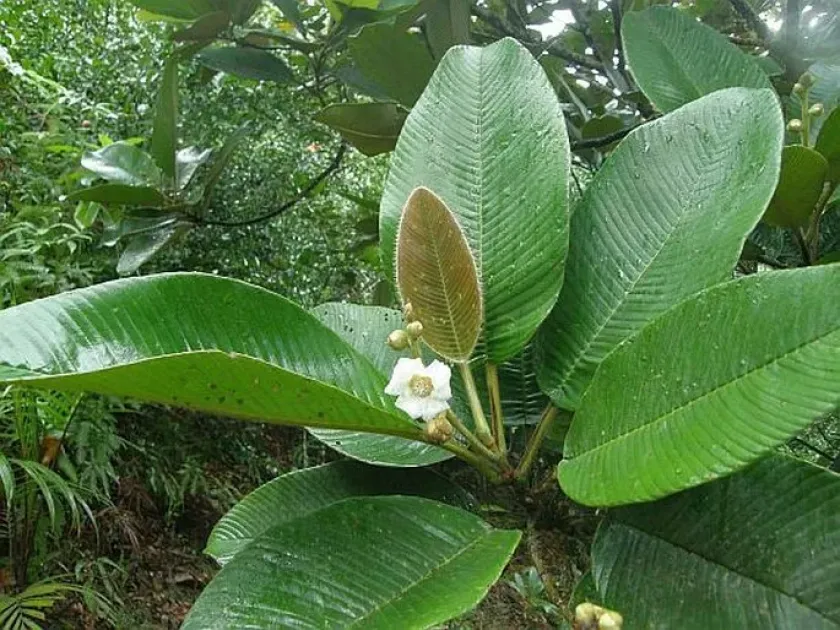
Description
Growing requirements
Dillenia ferruginea, commonly known as the Rusty-leaved Dillenia, is a perennial evergreen tree belonging to the family Dilleniaceae. Native to the tropical regions of Southeast Asia, this species thrives in humid forest habitats.
The plant requires high levels of ambient humidity and consistent tropical temperatures to maintain optimal growth rates. It prefers well-drained, nutrient-rich soils that offer enough moisture retention without becoming waterlogged.
Botanically, it is characterized by its distinct foliage and fruit structure, which are typical for the genus. Providing the right soil pH—ideally slightly acidic to neutral—is crucial for nutrient uptake.
Agricultural management involves regular monitoring for soil moisture levels. The root system is sensitive to poor drainage, making the installation of proper drainage systems a priority in plantation sites.
Adequate sunlight exposure is necessary, although the plant benefits from light shade during its juvenile development phase to prevent leaf scorching and excessive transpiration.
Harvesting
The economic value of this crop is derived from both its fruits and its timber, which are utilized in regional markets for various culinary and construction applications.
Harvesting of the fruit occurs during the peak ripening season. Farmers carefully pick the fruits by hand to ensure they remain intact for market distribution or direct consumption.
The timber obtained from Dillenia ferruginea is known for its durability and aesthetic wood grain. It is often harvested for use in artisanal woodcraft and small-scale furniture manufacturing.
Correct post-harvest handling of the wood involves controlled seasoning processes to minimize the risks of splitting or warping, which are common challenges when processing tropical hardwoods.
Routine canopy maintenance and pruning are essential practices for growers, as they encourage better fruit production and ensure the overall health and vigor of the tree stand.