
Dioscorea quartiniana
Dioscorea quartiniana
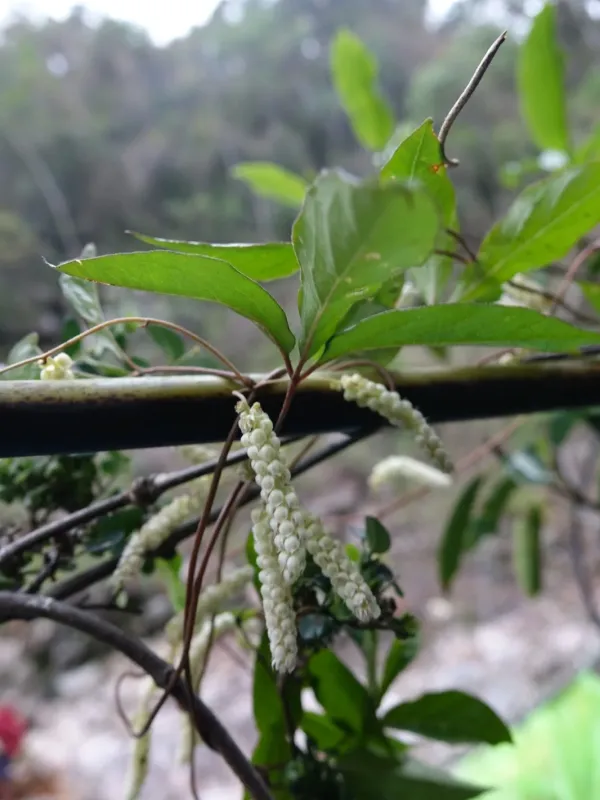
Description
Sowing dates
Planting Dioscorea quartiniana typically aligns with the onset of the rainy season to ensure optimal moisture for initial growth. Vegetative propagation using small segments of healthy tubers is the standard practice for establishing new fields.
The soil should be sufficiently warmed, with temperatures between 20 and 25 degrees Celsius, to promote rapid sprouting. Proper site preparation ensures that buds face minimal resistance while emerging from the substrate.
Row spacing should be maintained at 60–80 centimeters to provide adequate room for the development of the vine-like stems and the underground tuber network. Planting depth usually ranges from 5 to 10 centimeters.
Pre-sprouting tubers in protected environments before transferring them to the field can significantly reduce the establishment phase. This method is preferred in regions with shorter growing windows to maximize the biomass accumulation period.
Uniform soil moisture is crucial during the first month following planting to ensure strong root development. Avoiding waterlogging is essential, as excess moisture in the early stages can lead to the rotting of seed pieces.
Growing requirements
Dioscorea quartiniana belongs to the Dioscoreaceae family and is recognized as a significant tuber-producing crop in tropical regions. It is a perennial climber that requires stable, warm temperatures throughout its life cycle.
The plant thrives in light, well-draining soils such as sandy loams, which allow the tubers to expand without physical constraint. Compacted or heavy clay soils are unsuitable and result in deformed tubers and reduced yields.
Full solar exposure is necessary for maximizing photosynthetic efficiency. Supporting the vines with trellis systems or natural hosts significantly improves the light interception of the foliage, directly contributing to tuber growth.
Water requirements remain high throughout the active growing season. Irrigation management should be precise, focusing on maintaining soil porosity and avoiding stagnant water around the root zone.
- Preferred temperature range: 22–30 degrees Celsius.
- High demand for soil aeration and organic matter.
- Mulching is recommended to maintain soil temperature and moisture.
Yield
The yield potential of Dioscorea quartiniana depends heavily on the length of the growing season and the overall fertility management of the soil. When managed correctly, this crop can provide substantial amounts of carbohydrates per hectare.
Productivity is closely linked to the application of organic amendments, which improve the physical properties of the soil. Proper nutrient management ensures consistent tuber expansion during the peak growth months.
The tubers serve as a vital food source, often processed into flour or boiled for direct consumption. This nutritional profile makes it a key component of the local agricultural economy in its range.
Consistent weed control is mandatory, especially during the first few weeks after emergence. Competition for resources during this window can lead to permanent growth stunting and significantly lower harvest weights.
With an average growth cycle of 8 to 10 months, proper planning is required to rotate crops effectively. Successful harvests are consistently achieved by those who prioritize soil health and steady moisture supply.
Main diseases and pests
Fungal diseases, particularly those causing tuber rot, represent the most critical threat to production. Excessive humidity combined with poor drainage creates ideal conditions for these pathogens to thrive.
Nematodes are a pervasive pest, often damaging the root system and causing physiological stress to the plant. Crop rotation with non-host species is the primary strategy for reducing nematode pressure in the field.
Leaf-feeding insects and mites can infest the foliage, reducing the plant's overall vigor. Integrated pest management, including regular field monitoring, is necessary to keep infestation levels below the economic threshold.
Viral infections transmitted by vectors can lead to leaf yellowing and reduced tuber size. Selecting virus-free propagation material is the most effective way to prevent these issues from spreading across the farm.
Post-harvest threats include decay caused by secondary bacterial infections entering through surface wounds. Proper handling during the collection process is essential to maintain the structural integrity of the crop.
Harvesting
Harvesting commences when the aerial parts of the plant begin to naturally wither and die back. This physiological cue indicates that the translocation of nutrients into the tubers is complete.
Tubers must be excavated carefully using specialized garden forks or mechanized harvesters to prevent surface bruising. Even minor cuts can become entry points for pathogens during the storage phase.
Curing the tubers in a shaded, well-ventilated area for several days allows the skin to toughen. This process is critical for increasing the shelf life and overall marketability of the product.
Grading by size and condition is performed immediately after cleaning. Removing any damaged or infected tubers early prevents the spread of rot within the storage facility.
Ideal storage requires a dark, cool environment with moderate humidity to prevent desiccation or premature sprouting. Properly stored tubers can remain shelf-stable for several months under controlled conditions.