
Doliocarpus dentatus
Doliocarpus dentatus
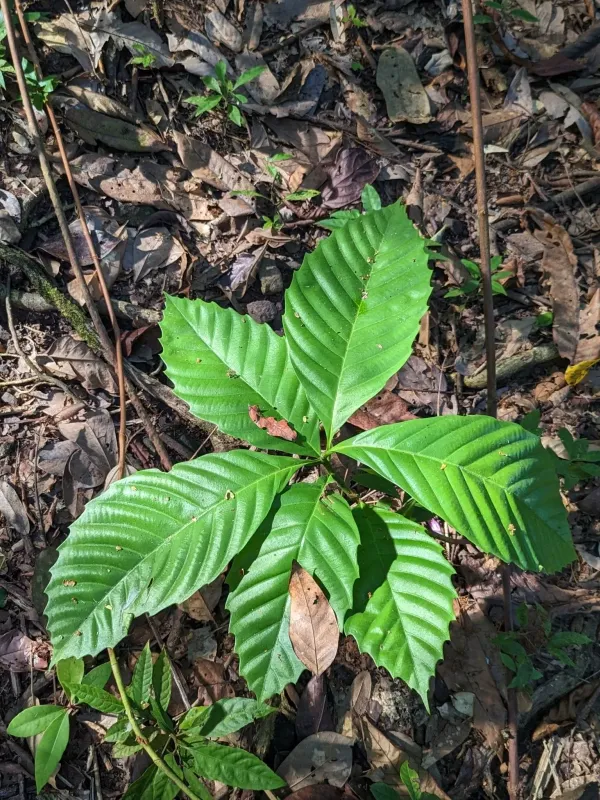
Description
Growing requirements
Doliocarpus dentatus is a woody climbing vine that belongs to the Dilleniaceae family. This species is native to the tropical regions of Central and South America, where it thrives as a vigorous liana within the dense understory and canopy of rainforests.
The plant requires a strictly tropical climate with consistent temperatures and high humidity levels throughout the year. It does not tolerate frost or prolonged drought, necessitating a protected environment if introduced to non-native tropical latitudes for commercial or ornamental purposes.
Regarding soil requirements, this vine performs best in well-drained, nutrient-rich substrates. It is essential to maintain high soil organic content while avoiding heavy, waterlogged clay soils that can inhibit root development and promote fungal decay in the lower stem regions.
The botanical structure of Doliocarpus dentatus is defined by its tough, leathery, and serrated foliage. As a climbing plant, it relies on structural supports to reach sunlight. Its stems exhibit significant tensile strength, which is the primary reason for its harvesting in various regional economies.
Economically, the stems are valued for their flexibility and durability, commonly utilized by local populations as natural cordage for basketry, construction binding, and simple agricultural tie-downs. The plant represents a sustainable source of raw materials when managed within its native ecosystem.