
Alluaudiopsis marnieriana
Alluaudiopsis marnieriana
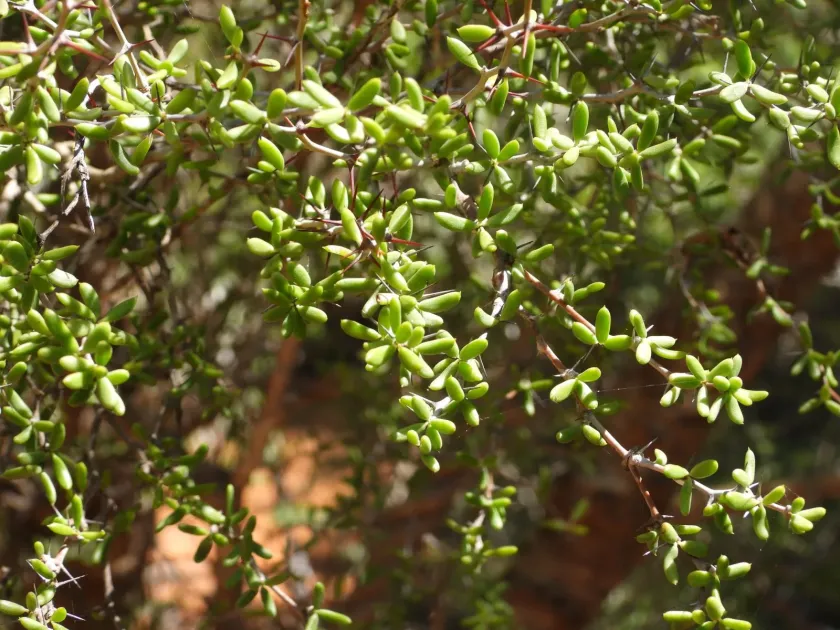
Description
Growing requirements
Alluaudiopsis marnieriana is a rare arborescent succulent species belonging to the Didiereaceae family. It is an endemic plant native to the southwestern region of Madagascar, where it thrives in the specialized environment of arid spiny forests.
The botanical structure of this plant consists of a shrubby habit with densely branched stems armed with sharp spines. The leaves are typically small and drop off during prolonged periods of drought, acting as a functional adaptation to survive in extremely water-scarce habitats.
Successful cultivation requires high levels of solar radiation. When grown in controlled environments or greenhouses, the plant must receive intense light to maintain its structural integrity and prevent etiolation of the stems, which is common in suboptimal conditions.
The soil requirements focus on drainage and aeration. A substrate composed of coarse sand, perlite, and a small amount of mineral-rich soil is essential to ensure that water does not accumulate around the roots, as the species is highly susceptible to root rot.
Watering should be carefully managed, following a seasonal cycle. During the active growing phase, moderate moisture is provided, while the winter dormancy period requires a strict dry period to stimulate natural growth rhythms and prevent physiological damage.
Main diseases and pests
Fungal pathogens represent the most significant threat to Alluaudiopsis marnieriana, particularly those associated with overwatering and poor ventilation. Excessive soil moisture leads to tissue decay that can be lethal to the plant if not detected early.
Common pests include mealybugs and spider mites, which thrive in indoor environments. Regular monitoring of the stems and the application of targeted insecticides or mechanical removal are necessary to maintain plant health and prevent severe infestations.