
Hypolepis repens
Hypolepis repens
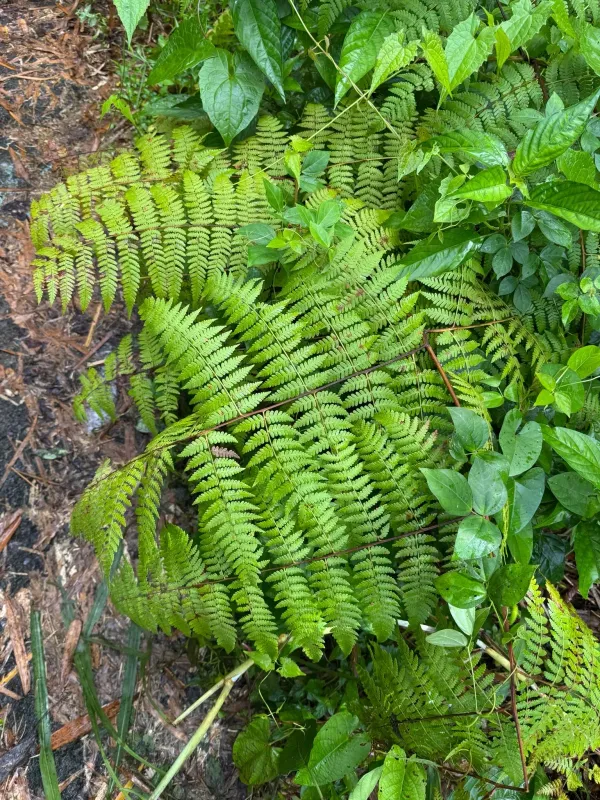
Description
Growing requirements
Hypolepis repens is a species of fern in the family Dennstaedtiaceae, recognized for its aggressive, creeping growth habit. Unlike standard field crops, this species is primarily cultivated for its ornamental properties and botanical value in controlled indoor or greenhouse environments.
The native distribution of Hypolepis repens spans across Central and South America, as well as parts of the Caribbean. It thrives in tropical rainforest conditions, often found in humid microclimates along stream banks and shaded ravines where the soil remains consistently moist.
Botanically, the plant is characterized by long, rhizomatous stems that spread horizontally. The fronds are delicately divided and can reach significant lengths, creating dense foliage cover. The rhizome system is quite efficient at nutrient uptake, allowing it to regenerate quickly after pruning.
Environmental requirements for Hypolepis repens are stringent regarding moisture levels. The plant requires a high ambient humidity (ideally above 60%) to prevent frond desiccation. The growing medium must be porous, acidic, and rich in organic matter to mimic natural forest floor conditions.
In terms of light, the plant prefers dappled sunlight or moderate shade. It is highly sensitive to direct UV rays, which can damage the delicate photosynthetic tissues. In greenhouse production, the use of shade cloth is recommended to maintain the vibrant green color and health of the foliage.
Main diseases and pests
Fungal pathogens represent the most significant threat to Hypolepis repens, particularly in poorly ventilated conditions. Overwatering often leads to root rot, which quickly decimates the rhizome system and stunts the overall growth of the fern.
Pests such as aphids and scale insects may occasionally infest the plant, especially if it is stressed by improper environmental factors. Integrated pest management, focusing on early detection and biological control methods, is preferred over the heavy use of synthetic pesticides.