
Scirpoides holoschoenus
Scirpoides holoschoenus
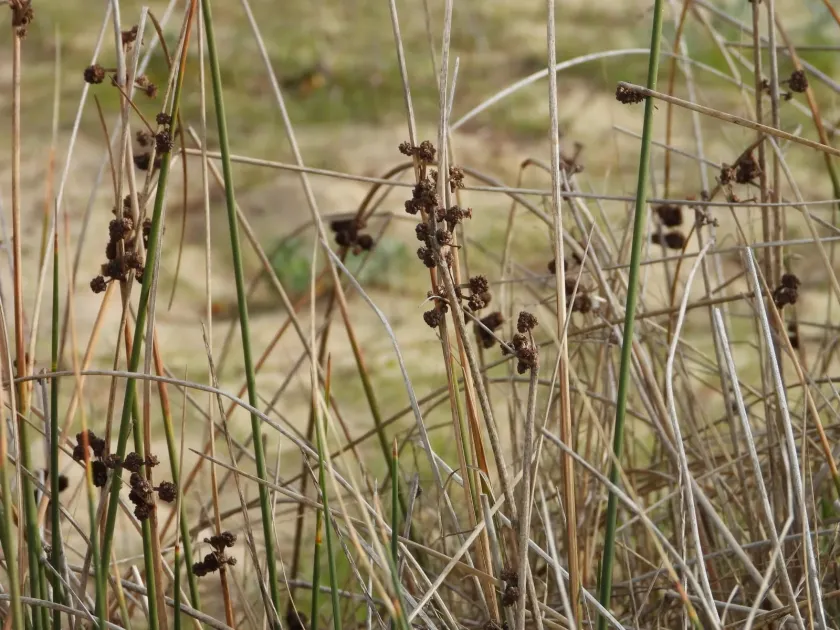
Description
Growing requirements
Scirpoides holoschoenus is a resilient perennial plant belonging to the Cyperaceae family, widely distributed across temperate and Mediterranean zones. In an agricultural context, it is recognized for its ability to thrive in waterlogged, sandy environments where other crops often fail.
The plant requires high moisture availability and thrives in well-lit, open areas. It is an ideal candidate for land reclamation projects and sites prone to seasonal flooding, where its deep root system plays a crucial role in stabilizing the soil structure.
Regarding soil preferences, this species is highly tolerant of saline conditions and thrives in neutral to slightly alkaline pH levels. Its ability to grow in nutrient-poor substrates makes it a valuable asset for phytoremediation efforts, where it helps in filtering excess nutrients from runoff water.
Botanically, it forms dense clumps, which contribute significantly to biomass production. This characteristic is particularly useful for creating natural windbreaks or vegetative barriers in water management systems designed to reduce sediment transport in agricultural landscapes.
Agronomic management is relatively straightforward, as the plant is naturally adapted to its habitat. Minimal maintenance is required, though strategic nutrient supplementation during the establishment phase can significantly improve the density and overall yield of the vegetation cover.
Main diseases and pests
The primary threats to Scirpoides holoschoenus include fungal diseases triggered by poor drainage or excessive humidity during stagnant air conditions. These pathogens can cause stem rot and significantly reduce the structural integrity of the plant cluster.
In terms of pests, root-feeding insects and various mites represent the most common concerns for plantation health. Integrated pest management practices, including proper spacing and maintaining a diverse surrounding ecosystem, are the most effective strategies for long-term health and disease prevention.