
Machaerina articulata
Machaerina articulata
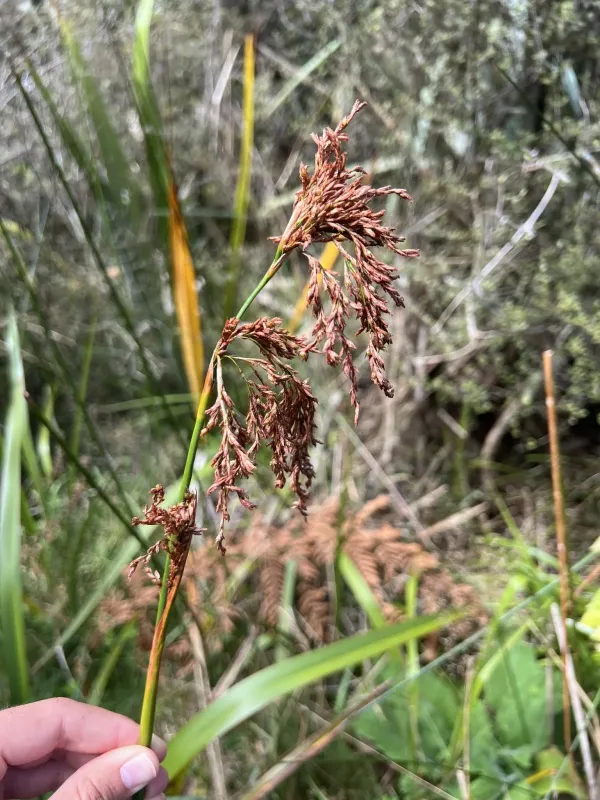
Description
Growing requirements
Machaerina articulata is a perennial herbaceous plant belonging to the Cyperaceae family. It is typically found in wetlands, swamps, and along water edges, functioning as a hardy hydrophyte that thrives in water-saturated environments.
Botanically, the plant is distinguished by its rhizomatous root system and distinctive jointed stems. The foliage is typically narrow and linear, which helps the plant withstand aquatic conditions and minimizes water loss through transpiration in hot weather.
The culture requires specific conditions to flourish, primarily focusing on constant soil moisture and high solar radiation. It prefers acidic, nutrient-poor substrates commonly found in peat bogs, which are ideal for its physiological development.
Its native range spans across tropical and subtropical regions, notably in Australia and various Pacific islands. The species is highly adapted to warm climates and requires consistent temperatures to maintain its vegetative vigor throughout the year.
Economically, Machaerina articulata is primarily used in environmental management. It serves as a biological filter in constructed wetlands to improve water quality by absorbing nitrates and phosphates from runoff and wastewater.
Main diseases and pests
The primary threats to this culture include fungal infections that target the roots and stem joints when water circulation is poor. Stagnant water often promotes pathogens that cause rot and structural decay.
Insect pests, particularly those that bore into stems, can severely stunt the plant's growth. Proper plantation management involves removing infested plant debris to prevent the spread of these pests during the growing season.
Environmental stress, specifically significant fluctuations in water levels or salinity, can cause yellowing and necrosis in the leaves. Keeping the water chemistry stable is essential for maintaining the health of the crop.
Competitive invasive plants often pose a significant challenge to newly established plantations. Regular monitoring and physical removal of competing weeds are necessary to ensure the survival and expansion of the Machaerina population.
Extreme climate events, such as prolonged frost or unusual drought, can permanently damage the plant's internal water transport system. Maintaining a consistent habitat is vital for long-term survival in cultivated settings.