
Ficinia truncata
Ficinia truncata (Thunb.) Schrad.
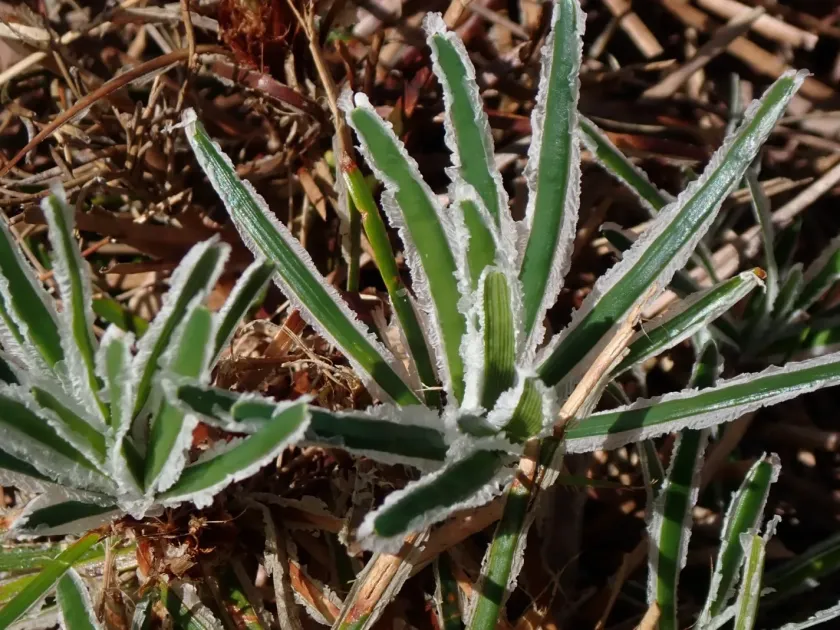
Description
Growing requirements
Ficinia truncata is a perennial herbaceous plant belonging to the Cyperaceae family. Originating from the Cape region of South Africa, this species has evolved in a Mediterranean climate characterized by mild, wet winters and hot, dry summers, making it highly adaptable to arid environments.
The plant exhibits a distinct clumping growth habit, with tough, truncate leaves that are highly efficient at water retention. Its botanical structure reflects a specialized adaptation to rocky and sandy terrain, where nutrients are sparse and water availability is highly seasonal.
Cultivation of Ficinia truncata requires a specialized approach, primarily focusing on soil drainage. It thrives in porous, sandy, or gravelly substrates that prevent any accumulation of moisture around the root neck, which is vital for the plant's long-term survival.
In terms of climate, the species requires full sun exposure to maintain its compact form and vibrant color. It shows significant resilience to temperature fluctuations but should be protected from prolonged exposure to freezing temperatures, which are not typical for its native habitat.
Agronomic management is minimal, emphasizing the avoidance of excessive irrigation. Fertilization should be kept to a absolute minimum to mimic the nutrient-poor soils of its indigenous range, preventing excessive leggy growth and ensuring the plant remains hardy and robust.
Main diseases and pests
The primary threat to Ficinia truncata is the development of root and crown rot, caused almost exclusively by improper soil moisture management. Over-watering creates an anaerobic environment in the soil, which facilitates the rapid spread of soil-borne fungal pathogens.
Pest issues are generally limited to sap-sucking insects like spider mites, especially in confined or dry environments with poor air circulation. Maintaining a well-ventilated growing space and practicing vigilant monitoring are the most effective methods to prevent infestations and maintain plant health.