
Kamahi
Weinmannia racemosa Linn. f. W. sylvicola
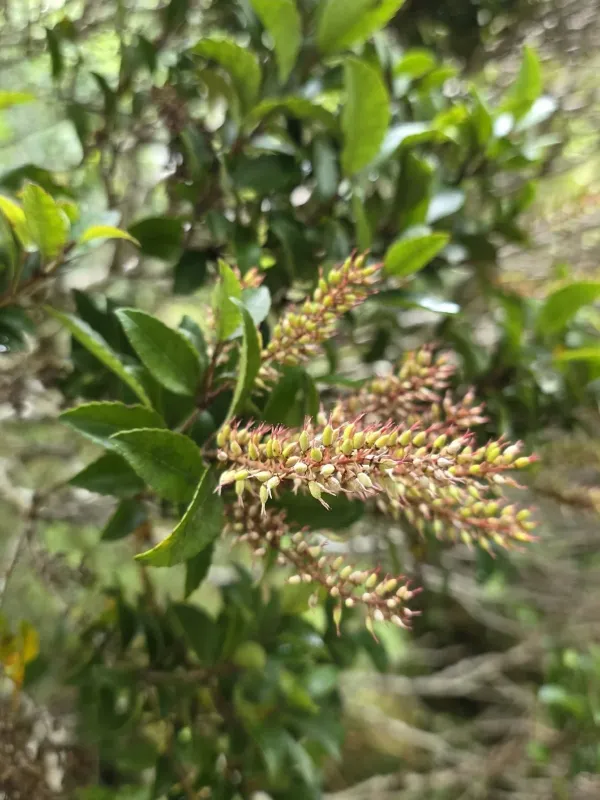
Description
Growing requirements
Kamahi (Weinmannia racemosa) is a prominent evergreen tree belonging to the Cunoniaceae family. Native to New Zealand, this species is a critical component of the country's temperate rainforests, demonstrating significant adaptability across various topographic zones.
The species thrives in environments with high humidity and consistent precipitation throughout the year. It prefers deep, well-drained soils that offer stable nutrient availability, although it shows a remarkable capacity to colonize poorer soils on rugged hillsides.
From an agrotechnical perspective, Kamahi requires moderate climate conditions without extreme frost events. It is a shade-tolerant species during its sapling stage, which allows it to successfully establish itself under the canopy of more mature forest stands.
Management practices for this culture emphasize the preservation of soil moisture and the protection of young plants from mechanical damage and excessive sunlight. As a slow-growing tree, it requires long-term planning for reforestation and restoration projects.
Beyond ecological restoration, the plant has historical significance due to its timber qualities and its role in honey production. The nectar produced by its flowers is highly valued for specific types of mono-floral honey, making it a key species for apiculture.
Main diseases and pests
The most significant threat to Kamahi populations is the Australian brushtail possum, which feeds on the tree's foliage and young shoots. Severe defoliation by these invasive animals can lead to the eventual decline and death of mature trees.
Various insect pests also pose risks to the health of the culture, particularly during periods of environmental stress. Leaf-eating insects can weaken the plant, creating entry points for opportunistic pathogens.
Fungal pathogens associated with bark lesions can cause trunk rot, especially in trees that have suffered physical injury or are experiencing physiological stress. Maintaining tree vigor through appropriate site selection is the primary defense strategy.
In nursery environments, root rot caused by soil-borne fungi is a common concern. Maintaining proper drainage and avoiding waterlogged conditions are essential for ensuring the health of seedlings and preventing large-scale losses.
Effective management requires ongoing monitoring for signs of infestation and disease. Silvicultural practices that maintain forest health and limit the population of invasive mammals are crucial for the sustainability of Kamahi plantations.