
Rourea
Rourea
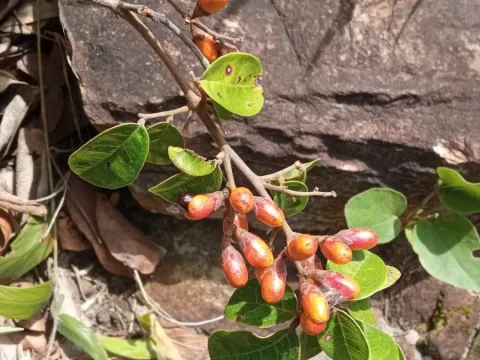
The genus Rourea belongs to the Connaraceae family and consists mainly of woody vines and shrubs found in tropical environments. These plants are known for their ability to thrive in dense forest canopies, climbing towards the light.
What the section contains


Rourea
Climate requirements for Rourea are strictly tropical. They need consistent heat and high humidity levels throughout the year to maintain vegetative growth and healthy leaf production.
Soil conditions should favor well-drained, nutrient-rich loam. Waterlogging is the most common cause of failure in cultivating these plants, as their roots require oxygen and cannot tolerate saturated soil for extended periods.
Light intensity is critical for the development of these climbers. While they adapt to partial shade in forest environments, they require bright, indirect light when cultivated in controlled environments like greenhouses.
Economically, Rourea is primarily valued for its ornamental appeal in tropical landscaping, where its foliage and flowers provide structural interest in garden architecture.
Common pests include spider mites and scale insects, which frequently target the underside of the leaves and stems in warm, stable climates.
Fungal diseases are a significant risk, particularly root rot, which typically occurs due to poor soil drainage or excessive irrigation frequency.
Leaf spot diseases can also develop if there is insufficient airflow around the plant, especially in high-humidity greenhouse settings.
Integrated pest management, including regular inspection of the foliage and adjusting the watering regime, is the best strategy for disease prevention.
In cases of severe infestation, targeted applications of systemic pesticides or fungicides may be necessary to preserve the health of the climbing specimen.