
Rourea fulgens
Rourea fulgens
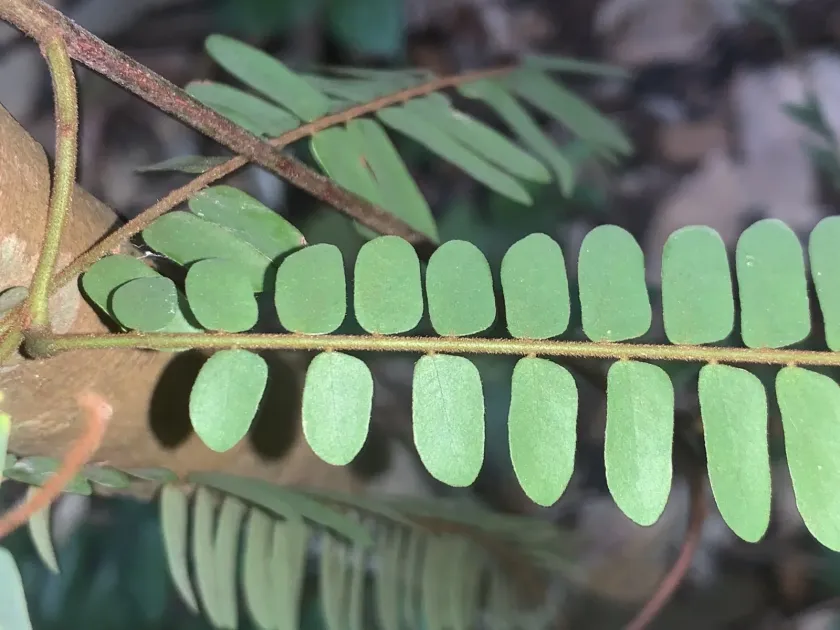
Description
Growing requirements
Rourea fulgens is a notable species within the Connaraceae family, originating from the tropical regions of Southeast Asia. This woody liana is characterized by its glossy foliage and robust climbing habit, which is adapted to the dense canopy of rainforest environments.
Cultivation of this plant requires a stable tropical climate with consistently high temperatures ranging between 22 and 28 degrees Celsius. Protection from cold drafts and sudden temperature fluctuations is essential for maintaining plant vitality throughout the year.
The preferred substrate for this species is a well-draining, nutrient-rich potting mix that mimics the leaf litter environment of its native habitat. It is crucial to prevent waterlogging by using containers with effective drainage systems and porous soil amendments.
Regarding light requirements, the plant thrives in bright, filtered light. Direct afternoon sun can damage the leaves, while insufficient light leads to spindly growth and reduced leaf sheen, which is a signature characteristic of this species.
Routine care involves regular pruning to manage the liana's size and encourage denser growth. Providing appropriate structural support, such as trellises or climbing frames, is vital for the health and development of its twining stems.
Main diseases and pests
The most common threats to Rourea fulgens are fungal infections, typically triggered by overly damp soil conditions or poor airflow within the greenhouse environment.
Spider mites are the primary pest concern, especially when ambient humidity levels drop below the threshold required for optimal plant health.
Scale insects and mealybugs may also infest the plant, causing stress and damaging the structural integrity of the leaves and stems if left unchecked.
Proactive management includes regular monitoring of leaf undersides and maintaining high environmental humidity to discourage pest colonization.
Integrated pest management strategies, focusing on biological controls and proper cultural practices, are recommended to maintain a healthy specimen over time.