
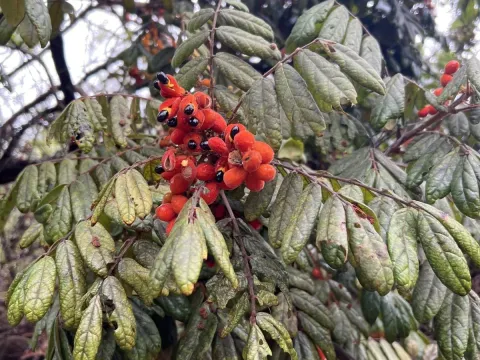
Cnestis
Cnestis
Cnestis is a genus of shrubs and woody climbers belonging to the Connaraceae family. These plants are primarily native to tropical regions across Africa and Madagascar, thriving in diverse jungle and scrub habitats.
What the section contains


Cnestis
Climatic requirements for Cnestis include high humidity levels and tropical temperatures, as the genus lacks frost tolerance. Stability in the thermal regime is vital for maintaining metabolic activity throughout the growing season.
The soil structure must be loose and well-drained to prevent root suffocation. In cultivation, incorporating organic matter like peat or compost into a sandy-loam base provides the necessary nutrients for robust development.
Water management is critical during the initial establishment phase. Once the plant has developed a sufficient root system, it can withstand short dry spells, though consistent hydration is preferred for optimal biomass production.
Light exposure for these plants should be ample but diffused. Direct sunlight at midday in high-latitude climates might cause leaf scorch, whereas in their native tropical range, they often utilize the canopy to reach light.
Fungal pathogens represent the most significant threat to the genus Cnestis, especially in stagnant air conditions. Powdery mildew and various leaf spot diseases can severely reduce plant vitality if left unmanaged.
Insect pests, specifically aphids and scale insects, frequently target the succulent tips of the vines. These pests drain sap, weakening the plant and potentially serving as vectors for viral transmission.
Proper aeration is the primary defense against foliage diseases. Pruning programs should prioritize the removal of dead or crowded stems to facilitate air circulation, which reduces the humidity around leaf surfaces.
Root-knot nematodes can inhibit nutrient uptake, causing stunted growth and chlorosis. Utilizing crop rotation or organic soil amendments like neem cake can assist in controlling nematode populations in the rhizosphere.
Regular sanitation measures, including the removal of infected debris from the growing area, are essential. Monitoring for signs of pest infestation at the earliest stage prevents large-scale outbreaks within a plantation.