
Rourea minor
Rourea minor
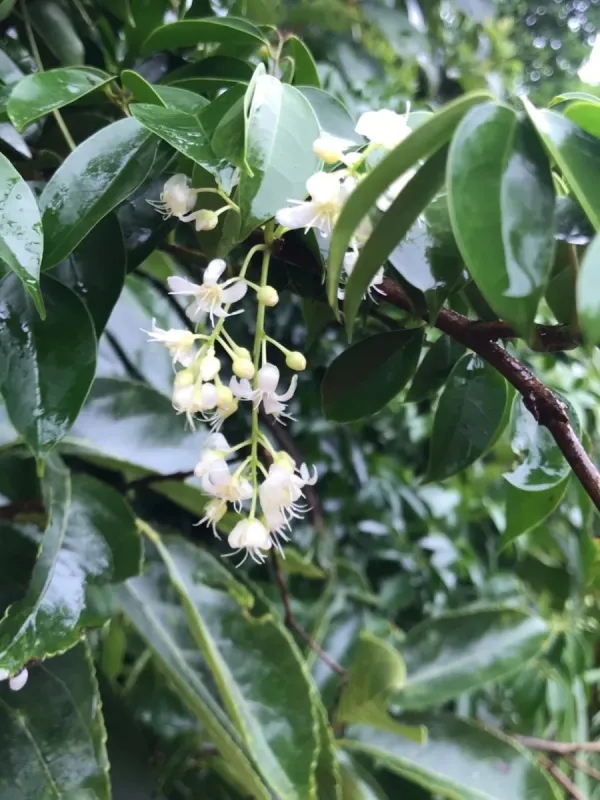
Description
Growing requirements
Rourea minor is a perennial woody vine belonging to the Connaraceae family. Native to the tropical regions of Asia, including the Indian subcontinent and Southeast Asia, it thrives in humid forest habitats and along woodland margins.
This species is strictly a tropical plant, requiring constant high temperatures to sustain its metabolism. It lacks any cold tolerance, making it suitable only for cultivation in tropical climates where temperature fluctuations are minimal throughout the year.
Soil requirements for optimal growth include a deep, fertile, and well-drained medium. While it can adapt to various soil types, it prefers slightly acidic conditions with consistent moisture levels and plenty of organic matter.
As a climbing plant, Rourea minor requires structural support to reach its full development. In agricultural settings, trellises or host trees are essential to allow the plant to achieve the necessary canopy spread for vegetative production.
Successful management involves regular irrigation to prevent drought stress, alongside a steady supply of nutrients. Maintaining high ambient humidity is equally critical for the physiological health of the vine, especially during the active growing season.
Main diseases and pests
The crop is susceptible to common tropical pests such as scale insects and spider mites, which can cause significant damage to the foliage and stems. Integrated pest management strategies are recommended to keep populations below economic damage thresholds.
Fungal pathogens pose a constant risk in humid environments, particularly leaf spots and root rots. Improving airflow through regular pruning and ensuring proper drainage are primary cultural controls against these threats.
Invasive weeds can rapidly outcompete young vines for nutrients and light, necessitating vigilant weeding in the early stages of establishment. Using organic mulches can effectively mitigate weed pressure around the base of the plants.
Viral infections can manifest as mottled leaves and stunted growth, severely impacting the harvest quality. As these are often spread by insect vectors, controlling the insect population is vital for preventing the transmission of viruses.
Sanitation is a key component of disease management in this culture. Removing dead or infected tissue promptly prevents the spread of inoculum to healthy parts of the plant and surrounding individuals.