
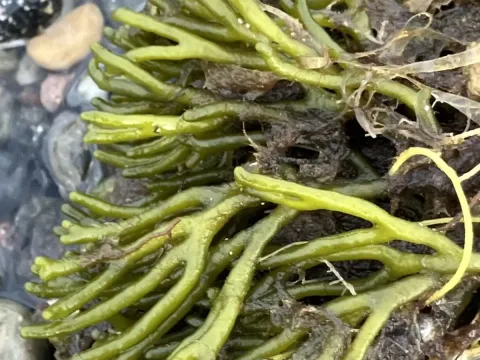
Codium
Codium
Codium is a genus of siphonous green algae in the family Codiaceae. These marine macroalgae are widely distributed across global oceans, thriving in intertidal and subtidal zones.
What the section contains


Codium
The organism anchors to rocky substrates using a specialized holdfast. It requires stable saline conditions and optimal light penetration to sustain its intensive photosynthetic process.
Botanically, Codium is unique due to its coenocytic structure, where a single, multi-nucleated cell forms a complex, branching thallus. This allows for rapid nutrient distribution.
Environmental conditions such as wave exposure and water temperature significantly influence the morphology and growth rate of the Codium thallus.
These algae serve as essential primary producers in coastal ecosystems, providing habitats for various marine invertebrates and contributing to carbon cycling.
Codium has gained popularity in global markets due to its distinct nutritional profile, including vitamins, minerals, and unique polysaccharides.
Industrial harvesting involves both the collection of wild populations and controlled production in mariculture systems, ensuring a consistent supply.
Processing methods include cleaning, sun-drying, or cold-pressing to extract bioactive compounds used in high-end cosmetic formulations and health supplements.
Effective post-harvest management is crucial to maintain the structural integrity of the seaweed and preserve its chemical compounds.
Commercial farming requires monitoring of water chemistry to optimize the growth cycles and ensure high-quality biomass yield for market distribution.
Water pollution, particularly excess nitrogen and heavy metals, poses a significant risk to the growth and quality of Codium harvests.
Competition from invasive algal species often threatens local populations by occupying the necessary rocky substrate for attachment.
Pathogenic bacterial infections can cause rapid thallus decay, especially during periods of unseasonable water temperature fluctuations.
Over-grazing by herbivorous sea urchins or specific fish species can lead to the rapid disappearance of Codium beds in certain coastal areas.
Climate change, manifesting as rising sea temperatures, disrupts the reproductive cycles and reduces the resilience of Codium to environmental stress.