
Codium tomentosum
Codium tomentosum
Description
Growing requirements
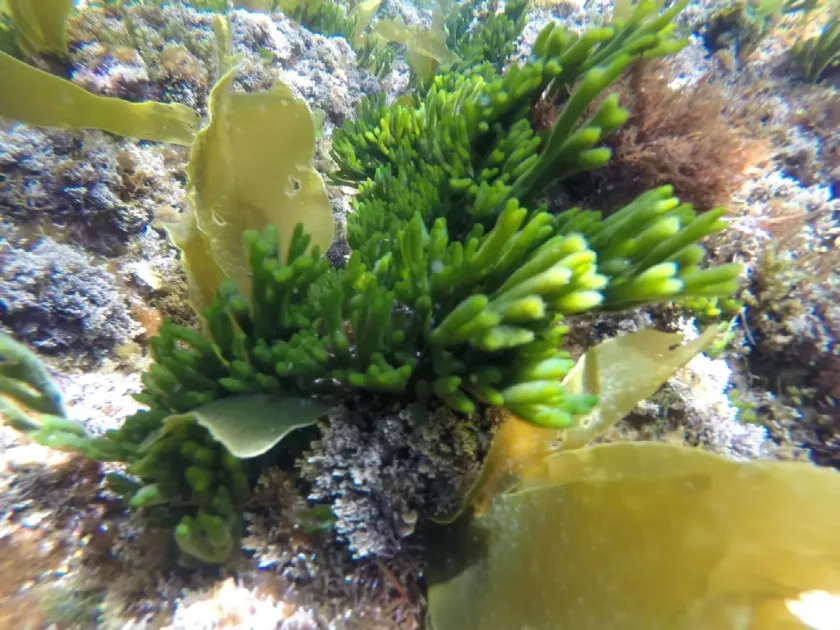
Codium tomentosum, commonly known as velvet horn or sponge seaweed, is a prominent species of green algae belonging to the Codiaceae family. Its structure consists of a spongy, dichotomously branched thallus that exhibits a distinct deep green color and a soft, velvety texture.
The species is primarily distributed along the rocky coastlines of the Atlantic Ocean and the Mediterranean Sea. It typically thrives in the intertidal and subtidal zones, where it attaches to rocks using its specialized holdfast, allowing it to withstand high-energy wave environments.
In terms of growth requirements, this alga demands high levels of natural light and consistent nutrient availability. Aquaculture production models focus on maintaining optimal seawater salinity and flow rates, which mimic its natural habitat and promote steady vegetative growth.
From a botanical standpoint, Codium tomentosum is characterized by its coenocytic organization, meaning the thallus is effectively a single large cell with multiple nuclei. This unique morphology provides the plant with superior regenerative capabilities compared to other macroalgae species.
Economically, this seaweed is highly valued for its nutrient density, including essential minerals, vitamins, and high-quality dietary fibers. It is increasingly integrated into sustainable aquaculture systems as a supplementary crop that helps improve local water quality and provides raw material for cosmetic and food industries.
Main diseases and pests
The primary threats to this species include epiphytic overgrowth, which competes for sunlight, and sudden environmental shifts like thermal pollution. Furthermore, grazing pressure from certain marine herbivores can significantly reduce biomass if populations are not properly monitored and managed.
Harvesting
Harvesting involves manual selection of mature thalli, ensuring that the base holdfast remains undisturbed. This technique of selective pruning is critical for sustainable production, as it guarantees that the organism will continue to grow and recover, supporting long-term ecosystem health.